

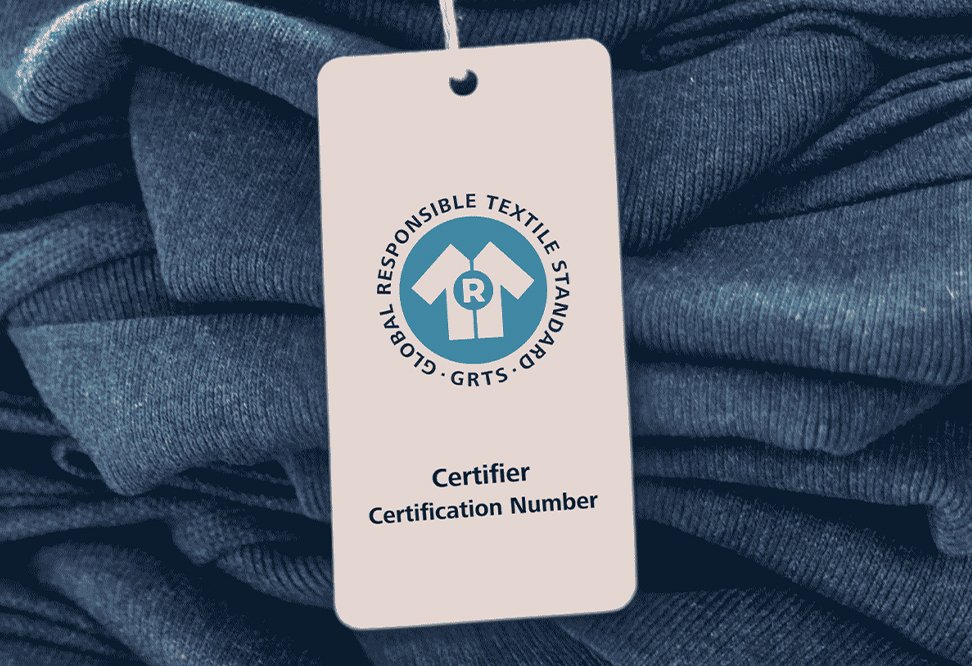
The Global Responsible Textile Standard brings plant, animal, regenerated cellulosic and recycled fibres under a common processing, traceability and human-rights framework.
Global Standards has launched the Global Responsible Textile Standard (GRTS), extending its certification system beyond organic fibres to a much wider range of responsibly sourced textile materials.
Introduced on September 14, 2026, GRTS builds on the infrastructure behind the Global Organic Textile Standard (GOTS) but provides a certification route for fibres previously outside GOTS’ organic eligibility criteria.
90% responsible-fibre threshold
To qualify, a product must contain at least 90% fibres certified to third-party standards recognised by GRTS. Eligible categories include plant and animal fibres, regenerated cellulosics, recycled natural and synthetic fibres, biopolymers, and organic or in-conversion fibres below GOTS thresholds.
Recognised standards currently include Better Cotton, Cotton made in Africa, Responsible Wool Standard, Responsible Mohair Standard, FSC and PEFC forestry standards, Global Recycled Standard and Recycled Content Standard, among others. The list is designed to evolve as additional fibre standards are assessed.
Limited quantities of specified additional fibres may make up the remaining 10% where required for functionality.
Traceability goes beyond fibre claims
GRTS is not simply a fibre-content label. It sets requirements covering environmental and chemical management, human rights, business conduct, due diligence and traceability throughout processing and manufacturing.
Certification is required at each applicable processing and trading stage, supported by transaction certificates, physical chain of custody and volume reconciliation. Fibre standards entering the system must meet criteria including independent certification, identity-preserved traceability, restrictions on highly hazardous chemicals and GMOs, and social safeguards.
The system is already operational, with 27 independent certification bodies accredited to certify against GRTS.
One system for more material choices
For textile mills and brands already using GOTS systems, GRTS could reduce duplication by extending familiar certification processes to recycled, regenerative and other responsible fibres.
Its commercial significance will depend on how quickly buyers incorporate GRTS into sourcing specifications. If adoption grows, the standard could become an important bridge between material certification, physical traceability and emerging regulatory demands for verifiable product-level sustainability data.
