

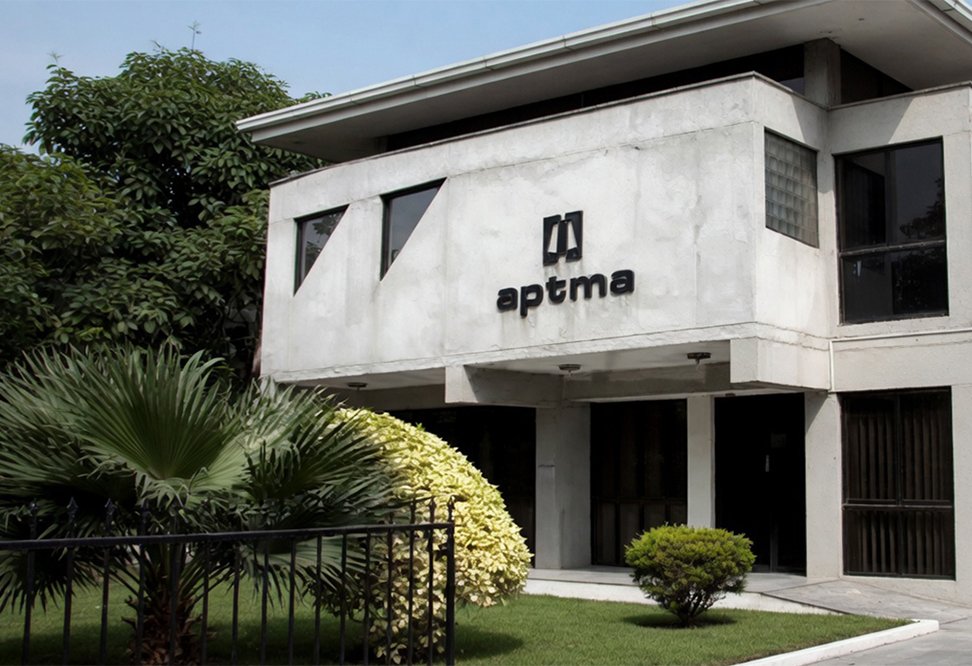
New APTMA chairman Asad Shafi says Pakistan can add $3 billion of textile exports this year and $10 billion within three years if energy, finance and liquidity constraints are addressed.
Pakistan’s textile industry could generate an additional $3 billion of exports during the current year and $10 billion within two to three years, according to newly elected APTMA chairman Asad Shafi, who has placed value addition, internationally competitive input costs and global brand development at the centre of his 2026–28 agenda.
From manufacturing to capturing value
Shafi argues that Pakistan’s principal advantage is its unusually complete fibre-to-fashion value chain, encompassing spinning, weaving, processing, finishing, garments and home textiles. More than 80% of textile exports already comprise value-added consumer products, according to APTMA.
The next step, he says, is to capture more value beyond factory production through product development, design, branding, marketing, e-commerce and international retail. APTMA plans to widen its membership beyond manufacturers to Pakistani textile and apparel brands and retailers.
Shafi also called for easier foreign-exchange and regulatory rules covering overseas warehouses, distribution, marketing and retail operations.
A 7-7-7 competitiveness formula
APTMA’s cost agenda is unusually specific: industrial electricity at 7 US cents/kWh, gas at $7/MMBtu and export financing at 7% annually. The association also wants restoration of DLTL export support and faster settlement of sales-tax, income-tax and other refunds to release working capital.
At APTMA’s annual meeting, industry representatives said Pakistani electricity currently costs above 11 cents/kWh compared with about 6 cents in neighbouring economies, illustrating the competitiveness concern behind the demands.
Existing capacity offers near-term upside
There are already signs of stronger downstream exports. In July 2026, Pakistan’s total merchandise exports rose 10.4% year on year to $2.96 billion, with readymade garments up 12.5%, towels 10.9% and cotton yarn 16.1%.
The central test for APTMA’s new leadership is therefore execution. Pakistan does not primarily lack textile capacity; it needs to convert existing capacity into higher productivity, stronger brands, more sophisticated products and reliably competitive production costs. Whether the proposed $3 billion near-term uplift materialises will depend largely on how much of that policy agenda translates into measurable cost and liquidity improvements.
