

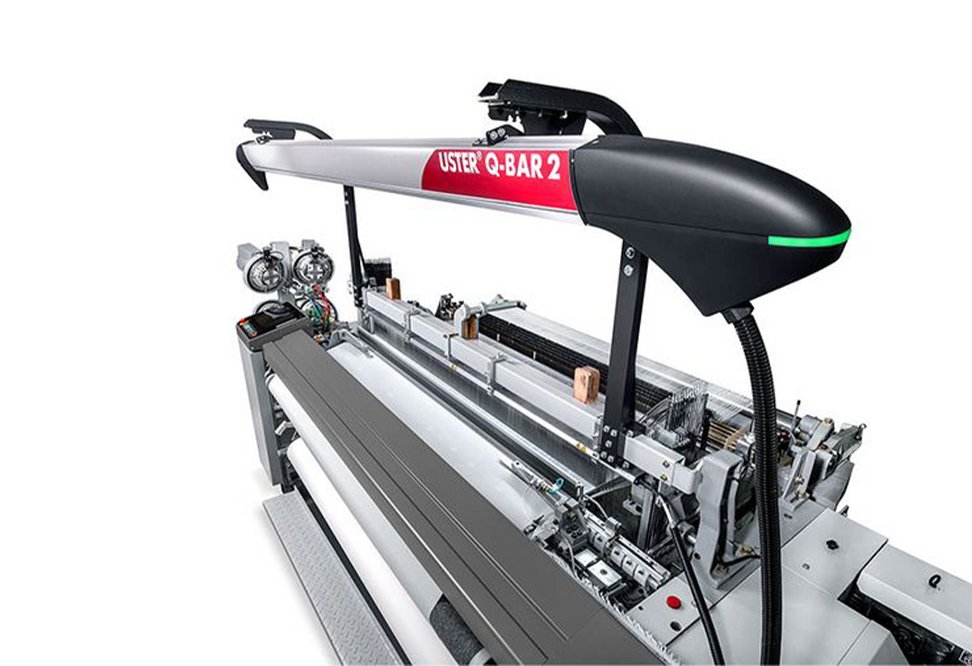
Machine vision is moving fabric inspection from end-of-line defect detection toward real-time process control, objective grading and automated decisions that can reduce waste before defective metres accumulate.
The global market for automated fabric inspection systems could expand at a 5.8% compound annual rate through 2035, reaching an index level of 176 against 100 in 2025, according to IndexBox. Asia-Pacific is estimated to represent around 55% of demand, reflecting the concentration of textile manufacturing in China, India and Southeast Asia.
IndexBox estimates woven fabrics account for about 30% of applications, followed by knitted fabrics at 25%, nonwovens at 20% and technical textiles at 15%.
AI moves inspection upstream
The technological change is more important than the market forecast. Traditional inspection relies heavily on operators identifying holes, slubs, broken ends, stains and other defects after substantial fabric has already been produced.
New systems combine high-resolution cameras, controlled illumination, machine learning and real-time defect classification. Uster’s Fabriq Vision 2, for example, uses AI-assisted article setup and machine-learning defect classification; new fabric styles can be configured in less than 10 minutes.
Uster’s Q-Bar 2 moves detection further upstream by monitoring fabric formation directly on the loom, allowing mills to stop recurring defects before additional defective metres are produced.
Quality data becomes production data
Automated systems increasingly generate defect maps, roll grades, cut optimisation data and historical quality analytics, turning inspection from a pass/fail activity into a production-management tool. Nonwoven systems can similarly inspect continuously at production speed and automatically classify faults.
Pakistan competitiveness takeaway
For Pakistan’s denim, home-textile, woven and knit exporters, automated inspection offers a practical Industry 4.0 investment because its value can be measured through higher first-quality yield, fewer claims, lower reinspection labour and reduced fabric waste.
The strongest business case is not simply replacing inspectors. It is connecting loom or knitting-machine monitoring → finishing inspection → digital roll mapping → cutting-room optimisation.
As buyers demand tighter quality consistency and traceability, mills able to supply objective, machine-generated fabric-quality data alongside every roll could gain an increasingly important competitive advantage.
