

Hayleys Fabric PLC announced a significant enhancement to its sustainability initiatives by launching a new organic, eco-friendly fabric using environmentally sustainable processes.
The project is in line with the Sustainability Development Goals set out by the United Nations.
 Rohan Goonetilleke, the Managing Director/CEO of Hayleys Fabric, said, “In the past, the industry has mainly focused on optimising the use of synthetic dyes in the manufacturing process. However, with the rise of the environmentally-conscious consumer, demand is rapidly increasing for sustainably manufactured fabrics that minimise environmentally hazardous materials. Given this backdrop, we are proud to have pioneered a safer and sustainable alternative to synthetic dyes and treatments. In the future, we hope to expand these techniques, while exploring every opportunity to minimise our environmental footprint further. The new process achieves several sustainability goals set out by the United Nations, namely the twin goals of responsible consumption and production, climate action, the protection of life below water and life on land.
The project also secures the goal of partnerships as we work with Hayleys Plantations, which creates a vertical supply chain cutting costs, time and energy.”
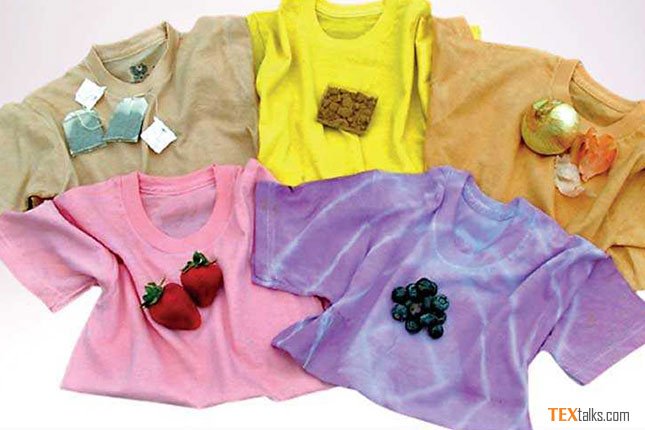
Hayleys Fabric now produces a range of fabrics that offer the wearer a comfortable garment made under ecologically friendly conditions and is safely biodegradable at the end of its life cycle. The new line has been produced using natural tea dye produced from waste tea provided by Hayleys Plantations, together with anti-bacterial and anti-viral neem and thulasi (commonly known as Holy Basil or Ocimum tenuiflorum) treatment.
The company also uses other natural dyes, derived from pomegranate (Punica granatum), mulberry (Morus alba), Mexican marigold (Tagetes erecta), and black cutch (Acacia catechu).
Additionally, Hayleys Fabric is also working with other natural dye suppliers to further develop its range of environmentally-friendly products for the market, according to Leonie Vass. She leads this initiative within the INNO team.
Furthermore, the neem and thulasi anti-bacterial and anti-viral treatments developed by the company are also being tested to determine the durability of protection against pathogens, and how it can be further optimised. Notably, the treatment will reduce reliance on more commonly utilised silver-based therapies to reduce the risk of environmental contamination.
Promoting such collections could be a driving change for environmental concerns.

