


The market opportunity is moving beyond odour control: durable performance, responsible chemistry and defensible product claims will determine which textile suppliers capture value.
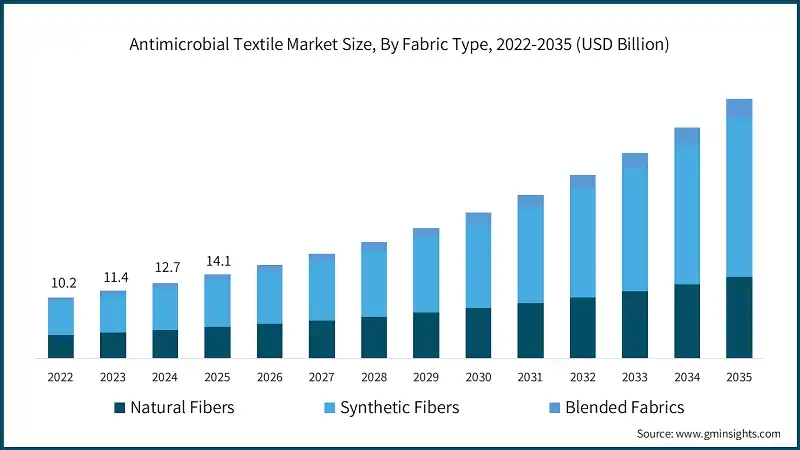
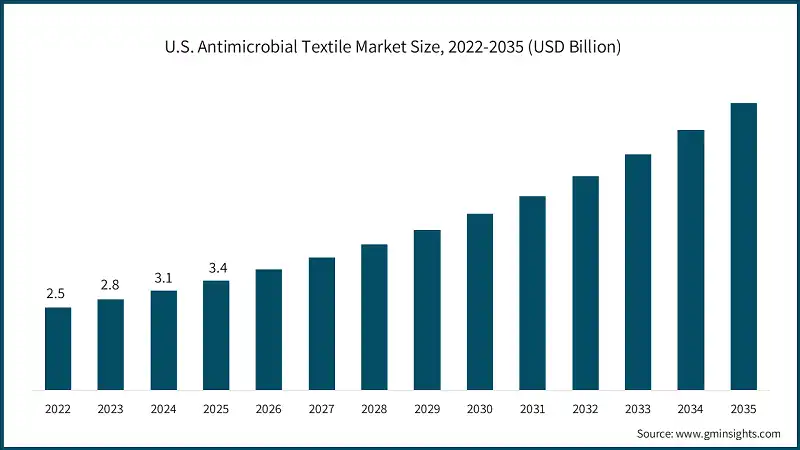
The global antimicrobial textiles market could grow from $12.7 billion in 2025 to $23.2 billion by 2035, according to MarketGenics, as healthcare, hygiene, sportswear and home-textile applications raise demand for fabrics designed to resist microbial growth, odour and material degradation.
The forecast implies a 6.2% compound annual growth rate. However, the most important change for mills, finishers and chemical suppliers is not market size alone. It is the shift from generic “antimicrobial” marketing toward tested, wash-durable and regulation-ready textile systems.
Healthcare remains the core demand base
Healthcare and medical applications account for an estimated 35% of the market, supported by demand for hospital bedding, curtains, scrubs, gowns, drapes and hygiene nonwovens. These uses place high requirements on durability, laundering resistance, safety and documented performance.
Sportswear, footwear, workwear, hospitality and home textiles offer broader volume potential, particularly where odour control, freshness and lower wash frequency can be linked to practical consumer value. Yet these segments are also more price-sensitive, limiting the use of expensive silver-, copper- or nano-based treatments unless they deliver a visible performance benefit.
Chemistry must survive the wash cycle
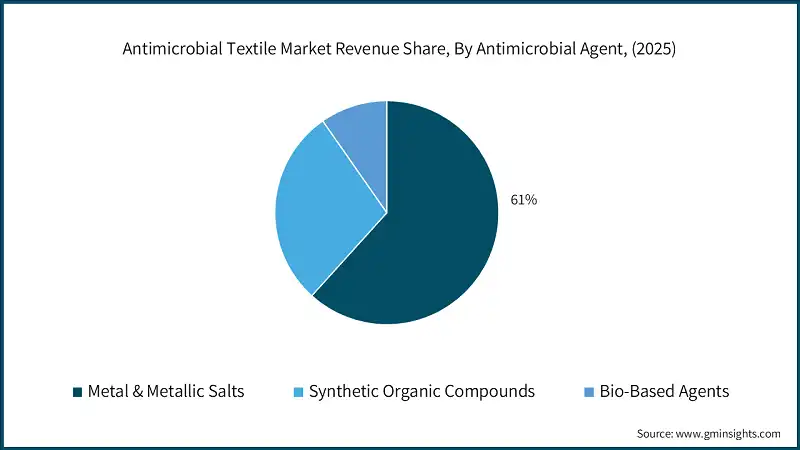
The market covers silver, copper, zinc, quaternary ammonium compounds, triclosan alternatives, bio-based agents and hybrid technologies. The strategic challenge is to balance antimicrobial efficacy with cost, skin compatibility, wastewater performance and durability through repeated laundering.
For textile mills, the value proposition should move from selling a treated fabric to supplying a complete technical package: chemical disclosure, application parameters, wash-performance data, restricted-substance compliance and evidence for customer claims.
Claims create a commercial risk
Antimicrobial finishes are becoming a regulatory and marketing-risk issue. In the United States, a treated textile can generally claim protection of the article itself, but public-health claims against specific pathogens can require pesticide registration. In Europe, treated articles must use permitted biocidal active substances and may carry labelling obligations.
This means that a poorly worded hangtag can create a larger commercial problem than an imperfect shade match.
The next competitive divide will be between suppliers offering durable, lower-impact and claim-ready antimicrobial textile systems—and those relying on broad hygiene language without the test data, regulatory file and traceability needed by global brands.
