

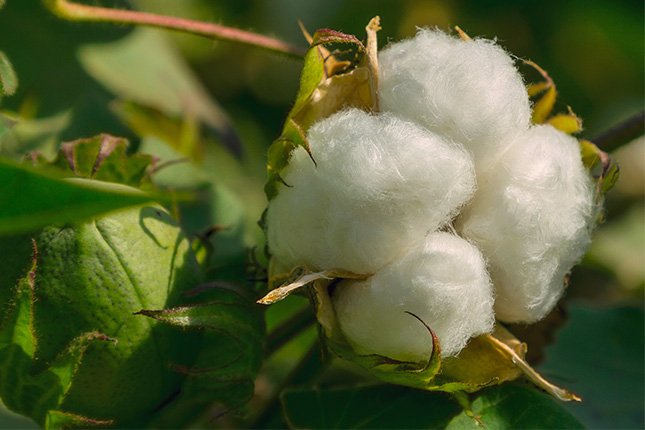
All Pakistan Textile Mills Association (APTMA) has raised questions on the government’s decision to prefer public sector low-yielding cotton varieties over high-yielding varieties of the private sector. One of the main reasons for the decline of cotton production in the country is the lack of high-yielding cotton varieties and uncertified/fake seed supply.
During the cropping season 2021-22, around 70-80% of the area under cotton cultivation was covered by the uncertified seed of unapproved varieties, which is expected to persist in the coming season due to the poor variety approval system of the provincial seed councils.
Many more varieties having meager yield potential, even 2.
11 maunds/ acre, get approved by the public sector research institutions, while fiber length relaxation was also not given to high-yielding varieties, which the committee decided under Punjab Seed Council. The Association has demanded that such types of decisions should be investigated by the controlling authorities in the Ministry of National Food Security and Research to see why the committee’s decision to approve high-yielding varieties was not implemented in these critical economic times when such varieties might boost domestic cotton production while approved varieties having shallow yield potential were approved.
APTMA has asked for prompt action on such approvals in a letter to various authorities. The Punjab and Sindh Seed Councils should approve these high-yielding varieties based on fiber relaxation only in staple length to meet the domestic raw cotton requirements of the textile sector to meet export demands. Pakistan, a prominent cotton producer, should do whatever it takes to bring production to a standard or even better level than previously. The spinning sector needs cotton to provide other textile sectors with yarn supply.
The yarn shortage is looming in Pakistan, which could create considerable troubles shortly. Therefore, the government should manage to prefer the seeds with higher productivity per acre.

