

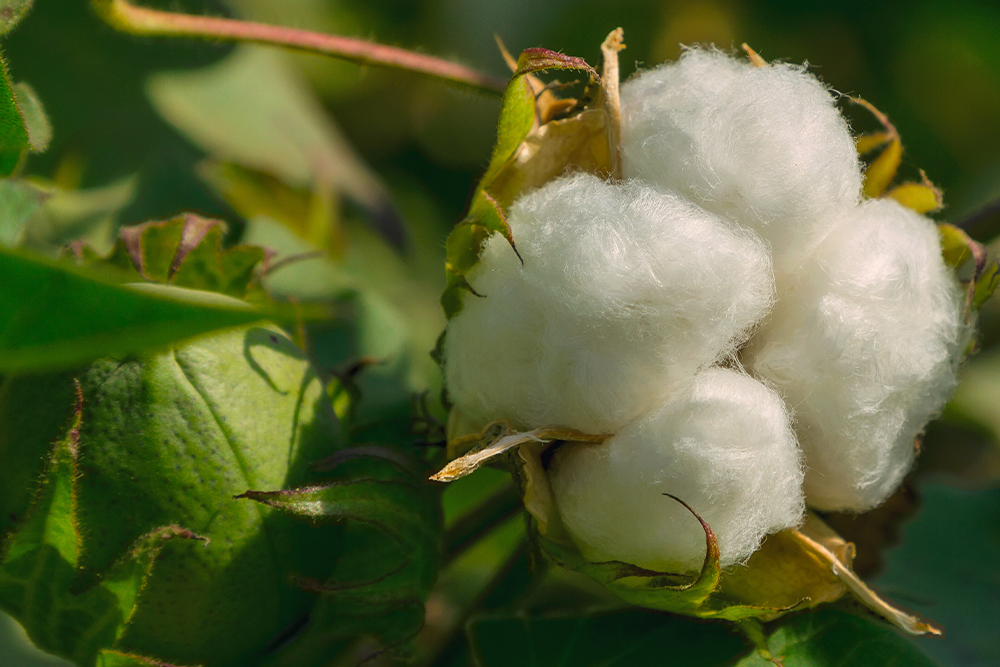
To increase cotton yields and reduce import dependence, Bangladesh has introduced two varieties of genetically modified (GM) cotton for cultivation.
The GM cotton has genetic traits taken from a soil-dwelling bacterium, Bacillus thuringiensis (BT) that effectively fights bollworm, a caterpillar responsible for damaging cotton yields.
buy tirzepatide online https://yourcialisrx.com/buy-tirzepatide.html no prescription pharmacy
While addressing a seminar on the introduction in Dhaka, Agriculture Minister Muhammad Abdur Razzaque said Bangladesh produces around 200,000 bales of cotton.
“While consumption is around ten million bales, of which 8.5 million bales are used in producing yarns and fabrics for export of garments, the rest is used in the production of garments sold in the domestic market,” Razzaque informed.
buy ciprodex online http://edlaboratories.com/movies/swf/ciprodex.html no prescription pharmacy
“However, around 20 percent of our demand for cotton, or almost 1.5 million bales, can be met by GM cotton seeds,” he added.
Bangladesh imports the majority of its cotton from Pakistan, Brazil, India, Australia, and several other countries.
buy pepcid online http://edlaboratories.com/movies/swf/pepcid.html no prescription pharmacy
The average yield of BT cotton is 4,500 kgs per hectare.
buy semaglutide online http://edlaboratories.com/movies/swf/semaglutide.html no prescription pharmacy
This is 15-20 percent higher than the domestic variety and production cost will reduce by 13-15 percent.
Bangladesh regulators had agreed to introduce the BT cotton variety in the country in June 2022.

