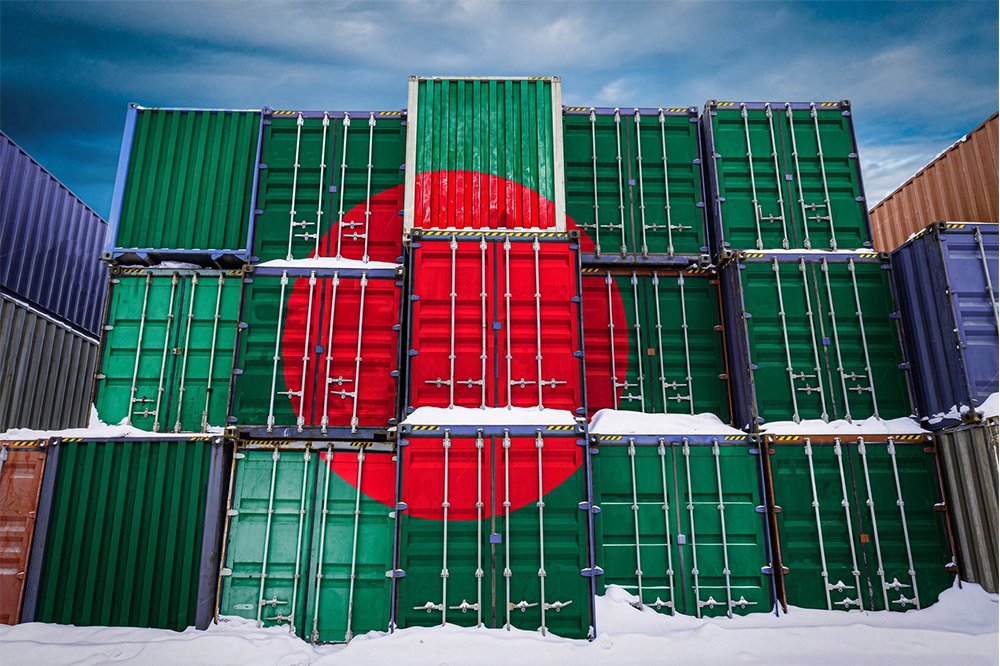
Prime Minister Tarique Rahman’s upcoming Tokyo visit could accelerate Japanese investment, strengthen bilateral trade and open new opportunities for Bangladesh’s textile and apparel industry.
Bangladesh’s business leaders are urging the government to prioritise Japanese investment and accelerate implementation of the bilateral Economic Partnership Agreement (EPA) during Prime Minister Tarique Rahman’s October 26–29, 2026, visit to Japan.
Rahman is scheduled to meet Japanese Prime Minister Sanae Takaichi on October 27, with trade, manufacturing, infrastructure and investment expected to dominate the discussions.
Japanese Investment Could Reach $6.36 Billion
According to a Nikkei report cited by Reuters, Japan may arrange ¥1 trillion ($6.36 billion) in private-sector investment over five years, targeting manufacturing, automobiles and energy infrastructure. The proposed arrangement has not yet been officially confirmed.
Japanese conglomerates Toyota, Mitsui and Marubeni have recently explored investment opportunities in Bangladesh. A Japan External Trade Organization (JETRO) survey indicates that 71.5% of Japanese companies operating in Bangladesh intend to expand their businesses.
Bangladesh is also developing the Japan Economic Zone in Araihazar, Narayanganj, to attract Japanese manufacturers.
Garment Exporters Target $3 Billion
Japan represents an important diversification opportunity for Bangladesh’s apparel industry. According to Export Promotion Bureau data, Bangladesh exported $1.16 billion in garments to Japan during FY2025–26, out of total bilateral export earnings of $1.36 billion.
The Bangladesh Garment Manufacturers and Exporters Association (BGMEA) aims to increase annual garment exports to Japan to $3 billion. The association established a dedicated Japan market desk in September and plans further buyer engagement, including a November roadshow in Hong Kong.
Trade Agreement Awaits Implementation
Bangladesh and Japan signed their first EPA on February 6, 2026, but parliamentary ratification and implementation remain pending. The agreement could help preserve preferential market access following Bangladesh’s graduation from least-developed-country status. Japan has also committed to extending existing LDC-related duty-free preferences for three years after graduation.
For textile manufacturers, closer Japanese investment ties could support machinery modernisation, technology transfer and higher-value apparel manufacturing.
The immediate priorities are EPA ratification, confirmed investment commitments and stronger commercial partnerships with Japanese brands and manufacturers. The Tokyo summit will test whether diplomatic engagement produces measurable industrial and export gains.