

The proposed reform could improve Bangladesh’s investment appeal, but textile factories will judge it by whether approvals, inspections and machinery imports genuinely move faster.
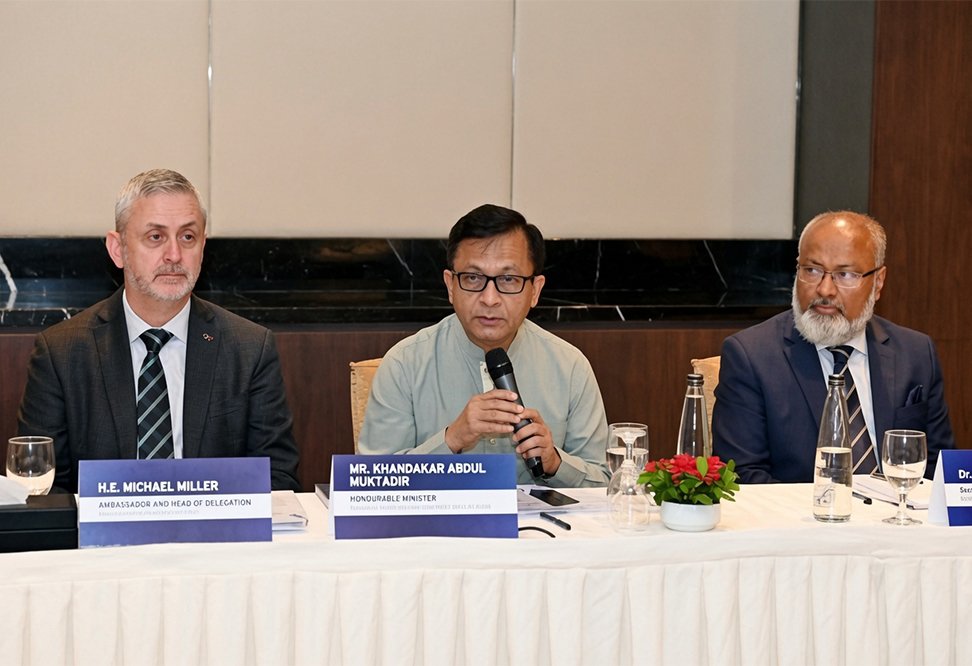
Bangladesh is targeting a reduction in business start-up time from close to one year to 14 days, under a proposed reform programme intended to simplify licensing and reduce administrative friction. Commerce Minister Khandaker Abdul Muktadir has said that, in an ideal case, an investor should be able to open a letter of credit for machinery imports on the 15th day after beginning registration.
For a textile and apparel economy seeking fresh investment in man-made fibres, processing, technical textiles and higher-value garment production, the ambition is commercially significant. Delayed registrations and overlapping approvals can postpone machinery orders, construction schedules, hiring and export production—raising the capital cost of every new project.
From registration to operational readiness
The key issue is not business registration alone. A new textile mill or garment factory may need approvals covering land, construction, utilities, environmental compliance, fire safety, labour, bonded warehousing and import procedures.
The government’s emerging approach therefore appears to combine faster front-end registration with provisional approvals that allow preliminary investment activity to begin while certain final clearances continue. A centralised online service platform and a coordinated inspection mechanism led by the Bangladesh Investment Development Authority are also under consideration.
That could reduce the repeated visits to multiple agencies that investors routinely identify as a major source of delay.
A sector-specific test
The minister has correctly recognised that a single 14-day template cannot apply identically to every industry. A garment factory, spinning mill, dyeing unit and power project carry different safety, environmental and technical risks.
For textile investors, reform will be credible only if it preserves proper environmental, structural and fire-safety oversight while eliminating duplicated paperwork, inconsistent interpretation and sequential approvals. Faster administration should not mean weaker compliance; it should mean clearer requirements, integrated inspections and predictable timelines.
Post-LDC competitiveness at stake
The proposal arrives as Bangladesh prepares for a more demanding post-LDC trading environment. The country will need stronger institutional capacity, more diversified production and greater investor confidence to retain its competitiveness in global apparel sourcing.
International buyers increasingly evaluate not only labour cost and production capacity, but also transparency, responsible business conduct, labour standards, environmental performance and regulatory reliability.
The next milestone is July, when the government is expected to disclose how the reforms will work in practice. The real measure of success will be whether a textile investor can move from application to machinery import, factory construction and compliant production with less uncertainty, fewer unofficial costs and a clearly accountable approval process.
