

Textile processing is one of the largest contributors to carbon emissions in the supply chain. A recent report from Water Witness International (WWI), a U.K.-based organization focused on sustainable water resource management, found water pollution in certain African countries supporting the global fashion supply chain. The river flow was tainted with pH comparable to household bleach and a blue coloration reflective of nearby production sites. Therefore, to reduce the pollution by the wet textile processing, a new consortium has been launched by Fashion For Good. Fashion for Good is a platform for sustainable fashion innovation. Our mission is to bring together the entire ecosystem to make fashion a force for Good.
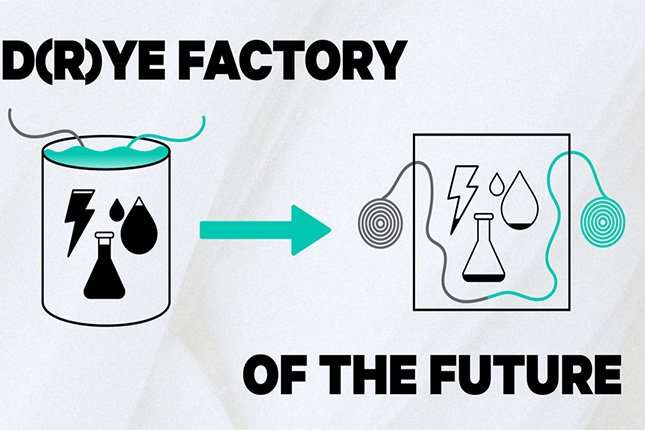
The new initiative once again turns fashion supply chain competitors into collaborators. Fashion For Good launched D(R)YE Factory of the Future, a consortium project that aims to accelerate the shift from wet to mostly dry textile processing. “Dry” textile processing refers to technologies that use little water, less energy, and are effluent-free.
According to Katrin Ley, Fashion For Good’s managing director, an industry-wide shift to dry processing is crucial for the path to net-zero—and collaboration is key to achieving that status. Katrin Ley said, “Given the interdependencies in the processing stages, a stand-alone assessment of solutions is not sufficient. By validating a combination of technologies, we can unlock the full potential of those solutions. This is why this project is so pivotal.” Fashion For Good estimates that the selected innovations can reduce emissions by 89% and cut water consumption by 83% and 95% The project’s innovations will be evaluated, and results are set to publish in a report later this year. Fashion For Goodwill also works with the participants to help implement the solutions at select manufacturers.

