

Europe can build a textile-to-textile recycling industry, but only if policymakers and brands help create the economic conditions for it to survive.
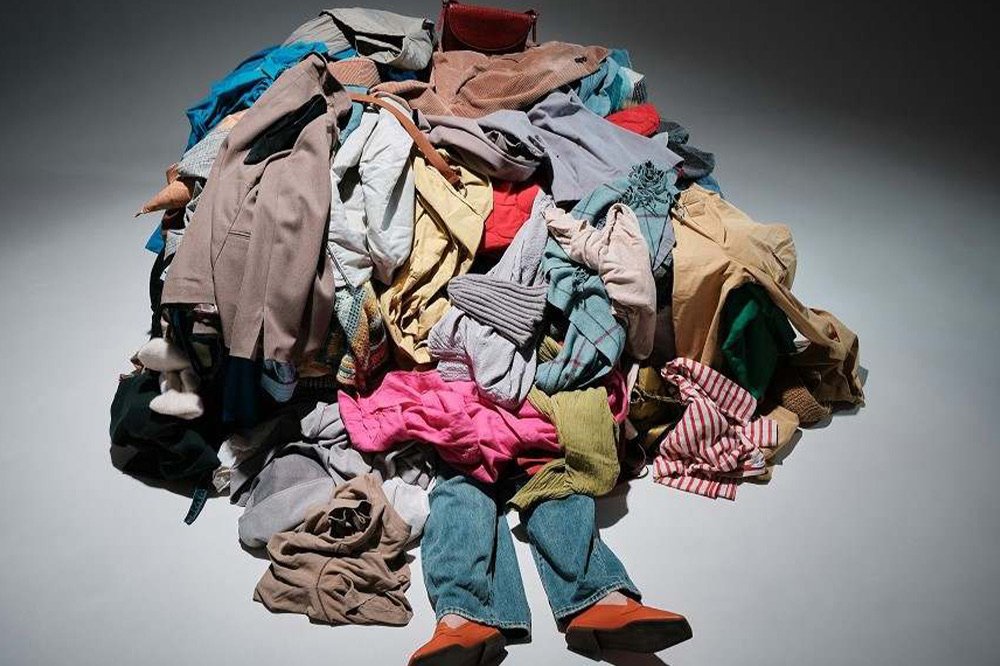
Europe generates around 15.2m tonnes of textile waste a year, including 13.3m tonnes from consumers. Yet less than 1% of post-consumer textile waste is recycled back into textiles. A new report by BCG and ReHubs argues that, while textile-to-textile recycling is technically feasible, it remains commercially unviable without coordinated support.
The study provides a harmonised fact base for Europe’s textile waste challenge. Without decisive action, waste volumes will keep rising, potentially reaching the equivalent of 80 football stadiums of discarded textiles each year by 2035.
To make textile-to-textile recycling viable, Europe must reach a tipping point of about 2.7m tonnes of annual recycling by 2035. That would require €8bn-€11bn in capital investment and €5bn-€6.5bn in recurring annual operating costs.
The core problem is economic. Recycled textile fibres are effectively a new product category with structurally higher processing costs than virgin fibres or incumbent recycled materials. Under today’s market conditions, they cannot compete on price alone.
That means circularity will not scale through goodwill or pilot projects. It needs enabling mechanisms: better collection and sorting, clearer demand signals from brands, financing tools and supportive industrial policy.
Europe now faces a choice: treat textile recycling as a niche sustainability project, or as industrial infrastructure. Only the latter approach can build the scale needed for a circular textile economy.

