

The industry is no longer facing temporary disruption, but a compounding system shock across energy, logistics and sourcing geography.
The ongoing Iran conflict is exposing deep structural vulnerabilities in global apparel supply chains. A new analysis highlights that brands are not dealing with a single disruption, but a convergence of shocks—shipping constraints, rising energy costs and geopolitical uncertainty—forcing a rethink of sourcing strategies.
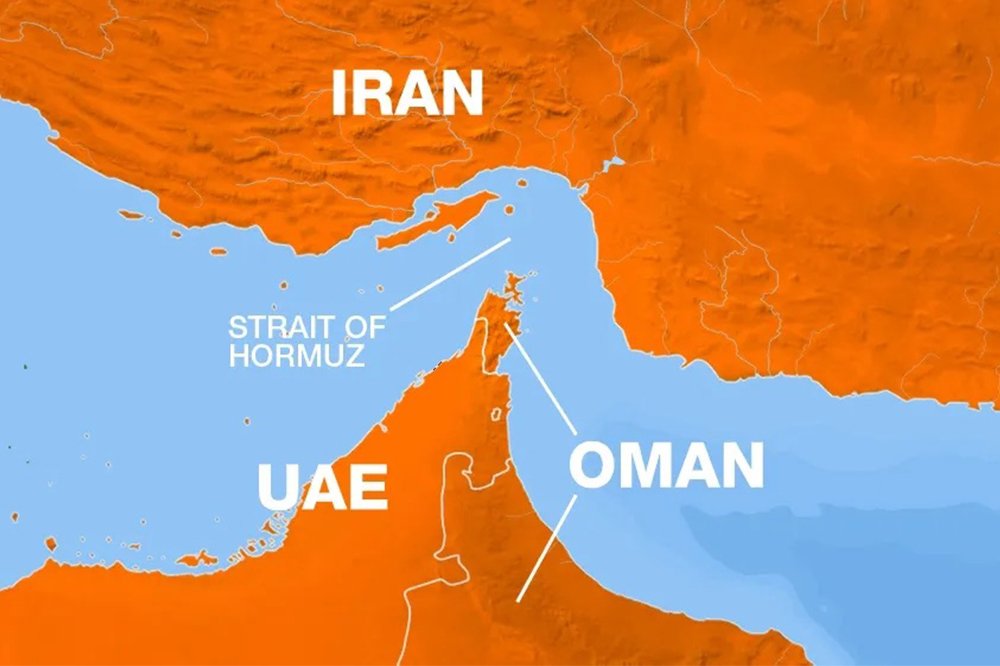
The closure of the Strait of Hormuz and continued instability in the Red Sea are simultaneously disrupting key trade routes. Vessel traffic has dropped sharply, freight costs are rising and transit times are lengthening as shipments are rerouted via longer corridors.
At the same time, oil prices have surged above $100 per barrel, directly increasing the cost of synthetic fibres such as polyester and nylon—core inputs for apparel production.
Apparel operates on thin margins. Rising freight and input costs are difficult to absorb, yet passing them to consumers is constrained by weak demand. The result is margin compression across brands and suppliers.
More critically, exposure is uneven. Supply chains dependent on Asia–Europe routes or Gulf logistics hubs face the highest disruption, while those tied to petroleum-based materials face a “double shock” of cost and supply risk.
Experts argue that traditional “resilience” is no longer sufficient. The industry must move toward continuous reconfiguration—diversifying sourcing, reducing dependence on chokepoints, and improving multi-tier visibility.
This includes scenario planning, pre-approved decision frameworks and a shift away from over-optimised, lean supply chains toward systems designed to operate under persistent volatility.
In effect, the Iran conflict is not just a disruption event—it is a stress test revealing that the current architecture of global apparel sourcing may no longer be fit for purpose.

