

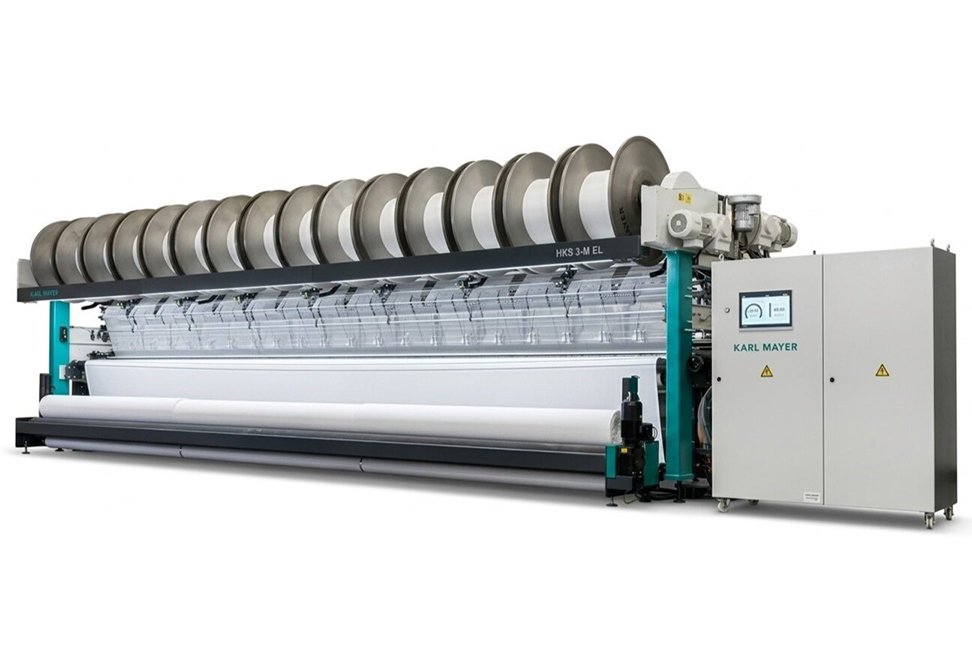
The extra-wide HKS 3-M EL combines a 330-inch working width, optional 10-inch extension, and speeds of up to 2,800 rpm, targeting sportswear, athleisure, and technical-textile producers.
Karl Mayer has launched an extra-wide version of its HKS 3-M EL three-bar tricot machine, designed to increase output in warp-knitted fabrics for sports, activewear, athleisure and other high-volume applications.
The new machine offers a standard 330-inch working width, expandable by a further 10 inches, while reaching production speeds of up to 2,800 min⁻¹. Karl Mayer describes the 340-inch configuration as the most productive machine of its type currently available.
Width becomes a productivity lever
The larger working width allows mills to produce more fabric across each machine cycle without increasing floor-space requirements proportionately.
Karl Mayer is positioning the machine particularly for sportswear, activewear, outdoor textiles and athleisure, including fluffy, brushed and napped fleece fabrics used in softshell products. It can also manufacture fabrics for fashion, home textiles and technical applications.
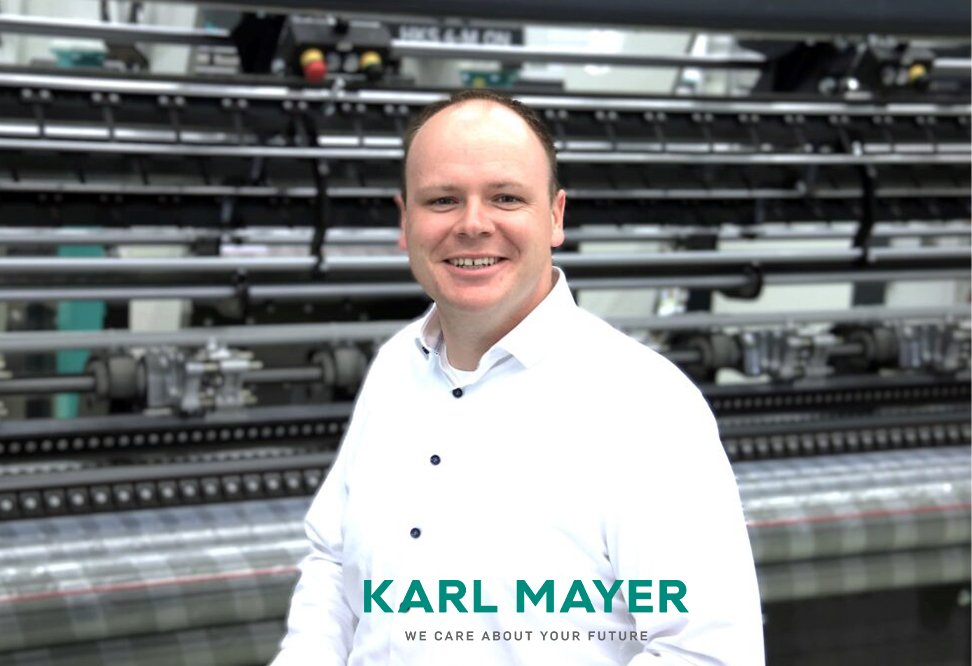 “With the HKS 3-M EL in 340”, we offer the most productive machine in this configuration on the market.”Michael Ahrend, Global Head of Performance Fabrics at KARL MAYER
The company says the machine supports sustainable yarns and incorporates energy-efficiency measures, automation and lower-maintenance design to reduce operating costs.
Pattern flexibility remains central
The HKS 3-M EL is available in E28 and E32 gauges and with four batching configurations.
Its electronically controlled EL pattern drive manages guide-bar movement, allowing easier pattern changes and greater design flexibility. Karl Mayer’s Multi-Speed functionality further expands patterning possibilities, while its KAMCOS 2 control system provides a digital operator interface for machine setup and monitoring.
Warp knitting competes on output and versatility
For warp-knitting mills, the commercial case rests on more than headline speed. Wider working widths can improve output per machine, while digital pattern control helps manufacturers shift more quickly between product programmes.
That matters as mills supplying sportswear and performance apparel face pressure for shorter development cycles, differentiated fabrics and lower conversion costs.
The next test will be mill-level economics: whether the extra-wide platform can deliver sufficiently higher output, energy efficiency and utilisation to justify investment compared with narrower machines. If it does, width may become an increasingly important productivity lever in high-volume warp knitting.
