

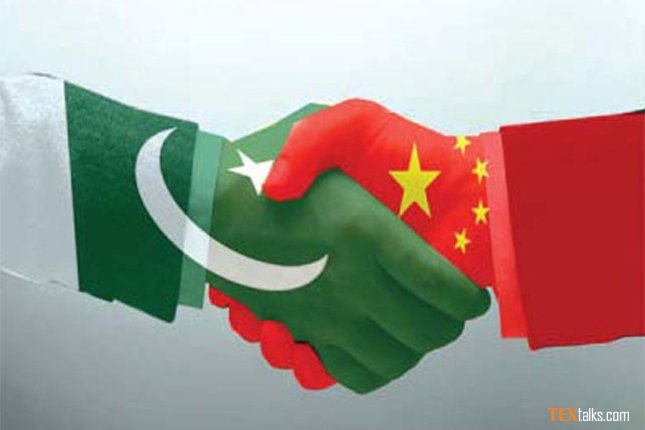
Another scenario of To Be or Not to Be, the matter to prove if Xinjiang cotton is tainted with forced labor is a never-ending debate as there is no proof. Most buyers have boycotted Xinjiang region’s produce but Pakistan cotton export and import bodies have declared that the trade with China and Xinjiang will be continued. The allegations towards Xinjiang cotton industry are politically-motivated says the China Economic Net (CEN).
Chairman of Pakistan Textile Exporter Association (PTEA), Muhammad Ahmed in an interview to CEN asserted that Pakistan traders characterize Xinjiang cotton boycott reprehensible. “We have nothing to do with western campaign hell-bent to play Xinjiang cotton card to eclipse China image under the pretext of concocted accusation of human rights,” he said.
“Pakistani importers have conspicuous understanding that Xinjiang cotton industry meets all standards and parameters set by Word Trade Organization (WTO) related to working conditions in industries. It is beyond comprehension that neither World Trade Organization (WTO) nor United National (UN) raised any eyebrows over the working qualities in Xinjiang cotton growth and production practices,” he added.
According to the collected data, during the first half of the fiscal year 2019-20, Pakistan imported 24,299 tonnes of cotton yarn from China and other countreis including Turkey, Oman, Uzbekistan, Indonesia, Vietnam and other countries. Pakistan imported 14,100 tonnes of cotton yarn from China (58pc of total imports), 2,067 tonnes from Turkey, 1,038 tonnes from Oman, 915 tonnes from Uzbekistan, 246 tonnes from Indonesia, 172 tonnes from Vietnam and 1,028 tonnes from other countries.

