

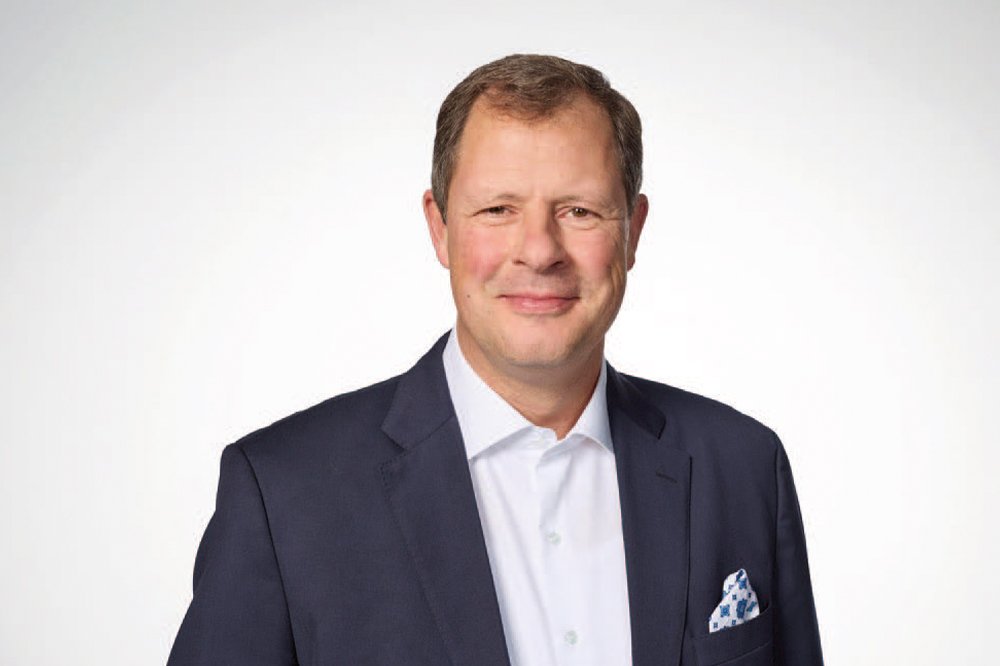
After absorbing input inflation, the Swiss spinning-machinery group is shifting the burden to customers from March 2026. Textile machinery is, in large part, a bet on metal and microchips. With steel, copper, aluminium, and electronics costs rising, Rieter says it can no longer pretend the increase is temporary—and will begin adjusting prices in March 2026.
Rieter notes that its machines and components rely heavily on steel, copper, aluminium, and electronics, all of which have seen stronger demand and higher prices in recent months. The company says it has not yet passed on these additional costs, but now views the trend as structural rather than transitory.
This is a familiar late-cycle move in capital goods: suppliers hold prices while volatility looks temporary, then reprice once they conclude costs have reset. For spinning mills, it means capex budgeting tightens just as many are trying to modernise for energy efficiency, automation, and compliance. For competitors, it creates cover: one price leader moving often allows an industry-wide reset.
Expect buyers to press harder on the total cost of ownership—energy draw, waste, uptime, spares pricing—rather than headline machine price. Rieter, meanwhile, will need to show that any increase is matched by measurable productivity gains, because mills will treat “input inflation” as a reason to delay purchases unless payback is explicit.
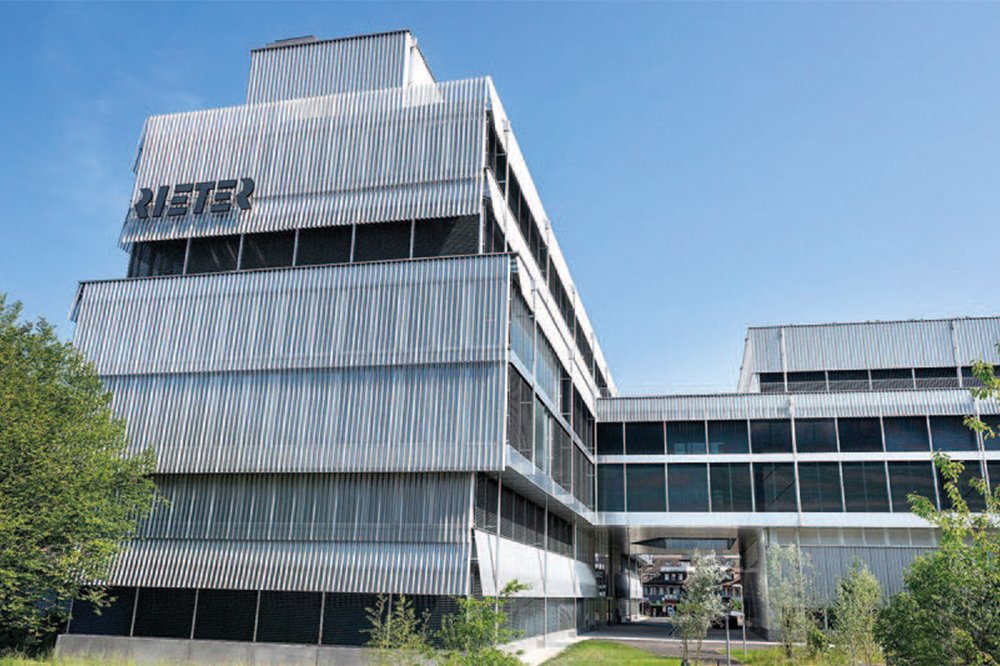
Rieter completed the acquisition of Barmag, creating a powerhouse in both natural and synthetic fibers
Rieter has completed the acquisition of Barmag as of February 2, 2026. This strategically important acquisition makes Rieter the world’s leading system provider for natural and synthetic fibers. Barmag will be consolidated as of February 2, 2026, and integrated into the Rieter Group as the “Man-Made Fiber” Division. The management of Barmag will remain with the company. Georg Stausberg will continue to lead the division and report to Thomas Oetterli, CEO of Rieter. At the same time, he will join the Group Executive Committee.
The transaction is financed by the capital increase completed in October of last year as well as by long-term bank loans. In addition to substantial cash reserves in its operating units, Rieter also has a significantly increased revolving credit facility at its disposal.
Thomas Oetterli, CEO of Rieter: “Barmag’s know-how is a perfect fit for Rieter and will accelerate profitable growth as well as strengthen our market leadership in the important region of Asia. The acquired filament know-how will help to expand our areas of expertise as a system provider and further advance automation and digitization solutions. This is the start of a successful future together and an important milestone in the implementation of our corporate strategy.”

