

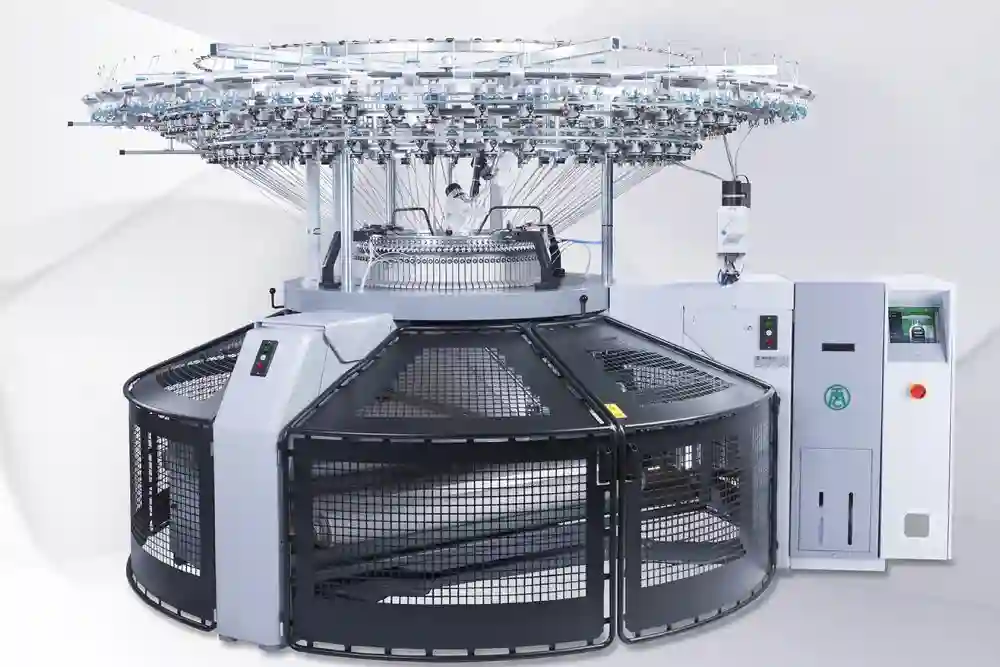
Smarter machines, greener systems and more fragmented supply chains are turning textile-equipment makers from hardware vendors into industrial problem-solvers.
The textile machinery industry is entering a structural shift. The old formula—sell faster machines at lower cost—is giving way to a new one: deliver integrated systems that cut energy, reduce waste, improve uptime and adapt to volatile sourcing maps. That is already visible in the data. ITMF says 2023 shipments of shuttle-less looms rose 52%, water-jet looms 96%, large circular knitting machines 17% and flat knitting machines 60%, while open-end rotors fell 17% and draw-texturing spindles 27%—a clear sign that capital is favouring flexible, higher-efficiency equipment over more commoditised capacity.
Three forces are driving the shift: AI-led digitalisation, green compliance, and supply-chain reconfiguration. Predictive maintenance, machine connectivity and data-led process control are becoming commercial differentiators. At the same time, tighter environmental rules are pushing mills toward zero-liquid-discharge, heat recovery and recycling-compatible systems.
This raises the bar for machinery makers. Customers increasingly want uptime guarantees, lifecycle services and solutions that can process recycled fibres or meet premium-market sustainability standards. Emerging markets are growing fast too: ITMF says 2023 short-staple spindle shipments to Africa rose 120% and to South America 140%, underlining the need for stronger global service networks.
The winners will not be those who merely build machines. They will be those that combine automation, environmental engineering and after-sales intelligence into one offer—moving up the value chain as the industry itself is forced to do.

