

The market is expanding as waste and regulation rise, yet economics will hinge on sorting, chemistry, and consistent quality—not slogans.
A new estimate by SNS Insider puts the global textile recycling market at $6.34bn in 2025, rising to $9.94bn by 2033 (a 5.79% CAGR). In the US, it projects growth from $0.58bn (2025E) to $1.08bn by 2033 (7.96% CAGR). The narrative is familiar: fast fashion waste plus sustainability pressure is turning disposal into a supply chain.
What is changing
The report argues the centre of gravity is post-consumer waste (56.1% share), where volumes are huge but quality is chaotic. It also claims chemical recycling leads the process mix (52.14%), reflecting demand for “near-virgin” fibre regeneration—especially for polyester and blends.
Why it matters
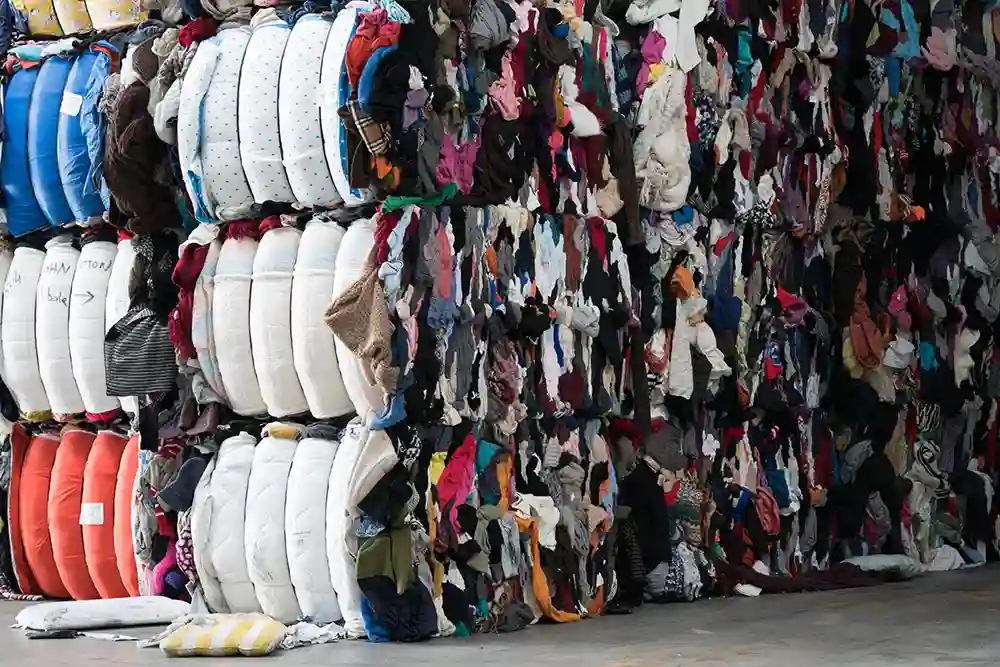
If these shares hold, recycling stops being a charitable add-on and becomes an industrial input market. But the bottleneck is not demand; it is usable feedstock: blended fabrics, elastane contamination, dyes/finishes, and inconsistent collection systems. That is why Europe leads today (policy and infrastructure), while Asia-Pacific grows fastest (production scale and rising waste).
What happens next
Expect a bifurcation. Mechanical routes will grow where cost matters and fibre downgrading is acceptable. Chemical routes will grow where brands pay for quality and traceability—provided plants can secure steady, well-sorted inputs. In practice, the winners will be whoever controls sorting + data + offtake contracts, not whoever publishes the boldest CAGR.

