

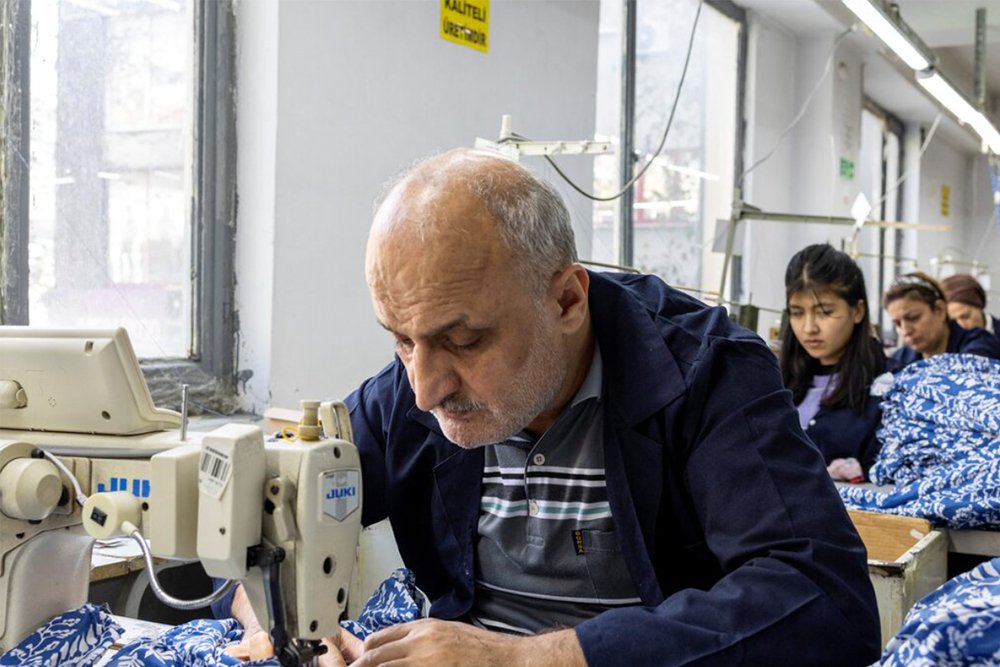
Despite hopes for increased sales in 2024 due to its proximity to the EU, Turkey’s textile industry continues to grapple with significant challenges. The sector faces rising production costs, stiff competition from Asian producers, and stringent European environmental and social regulations. These issues contributed to a 10.7% decline in exports in 2023.
Inflation, health and safety issues, and recent bankruptcies have compounded the difficulties, making it harder for Turkish textile firms to improve their exports to Europe. Additionally, union-busting fears and the need to comply with new EU regulations are creating further obstacles.
Despite these challenges, there are opportunities for the Turkish textile industry. The sector is focusing on diversifying its markets, with plans to explore new regions like Mexico, Colombia, and Australia.
Emphasizing brand value, technological advancements, and sustainability is also seen as a key strategy to remain competitive. Investments in sustainable practices, such as recycling water and using organic materials, are becoming increasingly important, although they come with higher costs.
In summary, while the road ahead is challenging, the Turkish textile industry is taking proactive steps to adapt and capitalize on new opportunities, hoping to turn around its fortunes in the latter half of 2024 and beyond.

