

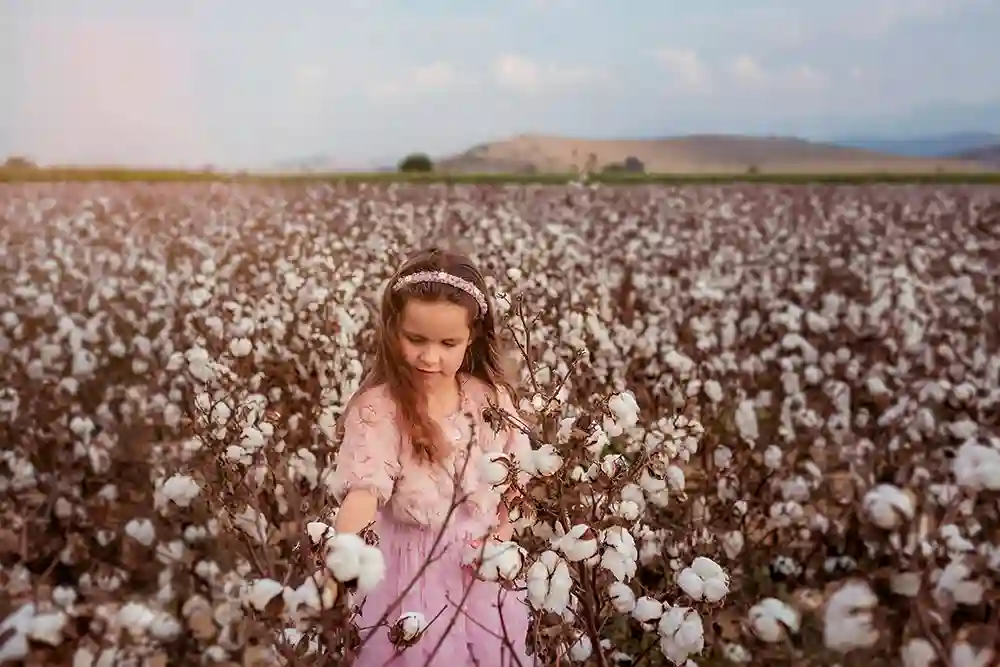
The new framework aims to strengthen farmer capacity, accelerate regenerative adoption and build a more transparent organic cotton sector.
The Organic Cotton Accelerator (OCA) has launched Türkiye’s first Organic Cotton Training Curriculum (OCTC), marking a major step toward professionalising organic cotton farming through locally adapted, regenerative and digitally enabled practices.
Developed with Ankara-based Prospera Impact and shaped by Turkish sector partners, the curriculum is now publicly available in Turkish and English, alongside a Trainer’s Handbook to support broad adoption. The OCTC covers agronomy, regenerative agriculture, farm management and digital literacy—modules tailored to Türkiye’s soils, climate and cotton-growing conditions.
A notable addition is OCA’s first dedicated module on regenerative agriculture, offering practical guidance on soil health, biodiversity, water retention and long-term resilience. Complementing this, new farm-management and digital-literacy modules aim to improve record-keeping, crop-rotation planning and the use of digital tools—from simple apps to full farm-data platforms.
The curriculum has been field-tested during workshops across Türkiye’s cotton regions and builds on OCA’s training model introduced in India (2022) and Pakistan (2023). To date, that model has delivered 25 agronomic training sessions and strengthened nearly 200 field staff.
Türkiye is one of the world’s key organic cotton producers, yet inconsistencies in training, agronomic support and record-keeping have limited scalability and traceability. A standardised, locally relevant curriculum helps close these gaps, strengthens farmer capabilities and supports compliance with increasingly stringent global market expectations for organic integrity and regenerative outcomes.
The initiative also aligns with OCA’s broader strategy to formalise and future-proof national organic cotton sectors through transparent data, stronger extension systems and improved farmer livelihoods.
OCA plans to update the curriculum continuously based on field feedback and expert review. The organisation is inviting brands, ginners, NGOs and agricultural institutions to integrate the OCTC into their own programmes—laying the groundwork for a more resilient, high-quality and climate-smart organic cotton sector in Türkiye.

