

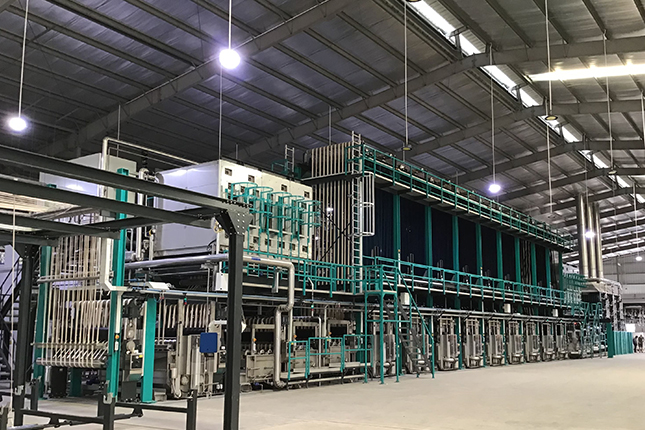
Saitex announces the opening of its fabric mill, 40 minutes from its cut & sew factory outside of Ho Chi Minh City, Vietnam. Encompassing 100,000 m2 – 40% of which is reserved for farming – capabilities include spinning, weaving, dyeing, and finishing fabric sourced from responsible cotton producers.
The mill has created 630 jobs to date (at full capacity 1,000) and plans to have 20% of jobs dedicated to people with disabilities, an initiative first started in the cut & sew factory to create upcycled merchandise for the Rekut product line.
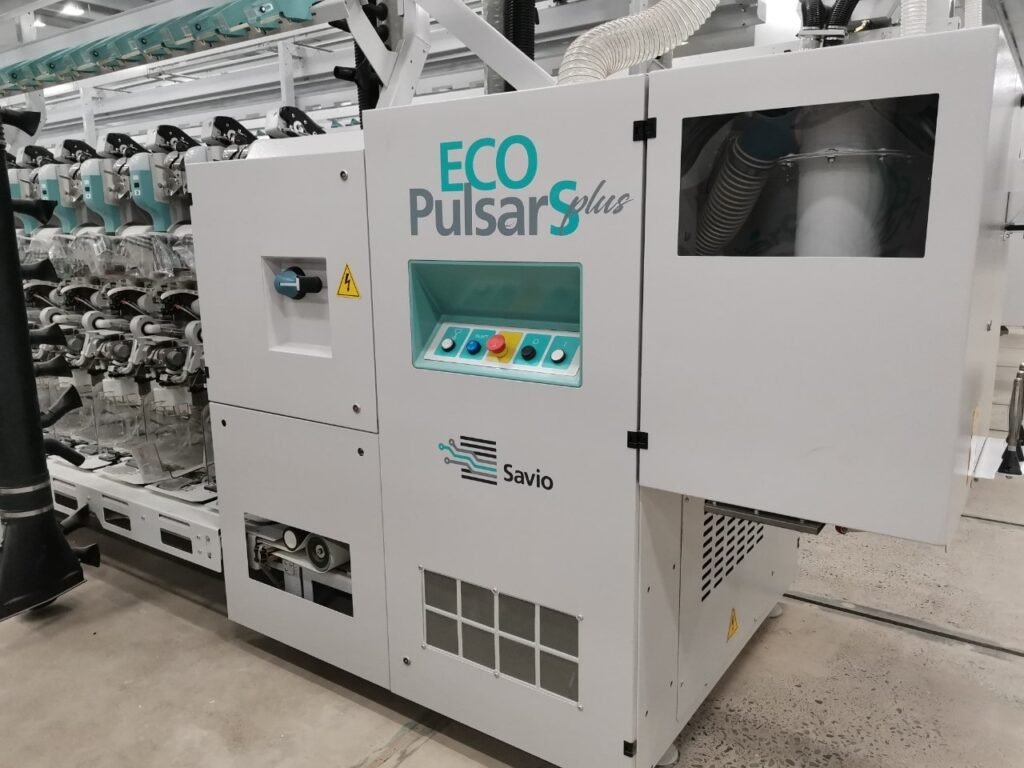
Building upon the recent opening of the “Factory of the Future” in Los Angeles, CA, and its renowned denim facility in Vietnam, the integration of the mill into the Saitex value stream grants unprecedented control and traceability of a garment’s life cycle. Saitex’s “seed to shelf” approach to manufacturing starts with close partnerships with cotton farmers, utilizes eco-efficient spinning, weaving, and dyeing machinery, and incorporates a production creation center (PCC) with the capability to create and prototype garment samples on-site. Through Saitex’s vertically integrated operations, brand partners are now offered one of the most sustainable and transparent “seed to shelf” processes, globally.
The Saitex Mill was constructed with a roof that reflects sunlight, installed natural ventilation, and used materials that adhere to LEED Gold Certified specifications. The solar panel system consists of nearly 15,000 panels with 3-4 MW capacity, which equates to 2,000+ tons CO2 reduction yearly. Additional energy is derived from industrial sludge which is used to generate 40% of the facility’s steam power. Greywater is collected from the industrial park, run through the custom reverse osmosis (RO) ultrafiltration recycling system then is used in the production processes allowing the mill to operate without the use of freshwater; achieving a closed water loop. Additionally, rainwater is collected for use in flushing factory toilets, irrigation, and the sprinkler system. Within the mill compound, a hydroponic farming system and organic farming fields occupy 40% of the space and will produce 6 tons of clean vegetables per year to feed employees and local communities. Furthermore, 6,000 trees were sowed in the industrial park and 50 hectares of mangroves were planted in the country to offset carbon emissions, helping to progress the Saitex Mill towards carbon neutrality by 2025. It is also in the process of obtaining ZDHC, Oeko-Tex, GOTS, GRS, B Corp., and LEED certifications and has future plans to apply for bluesign ® and Fair Trade status.
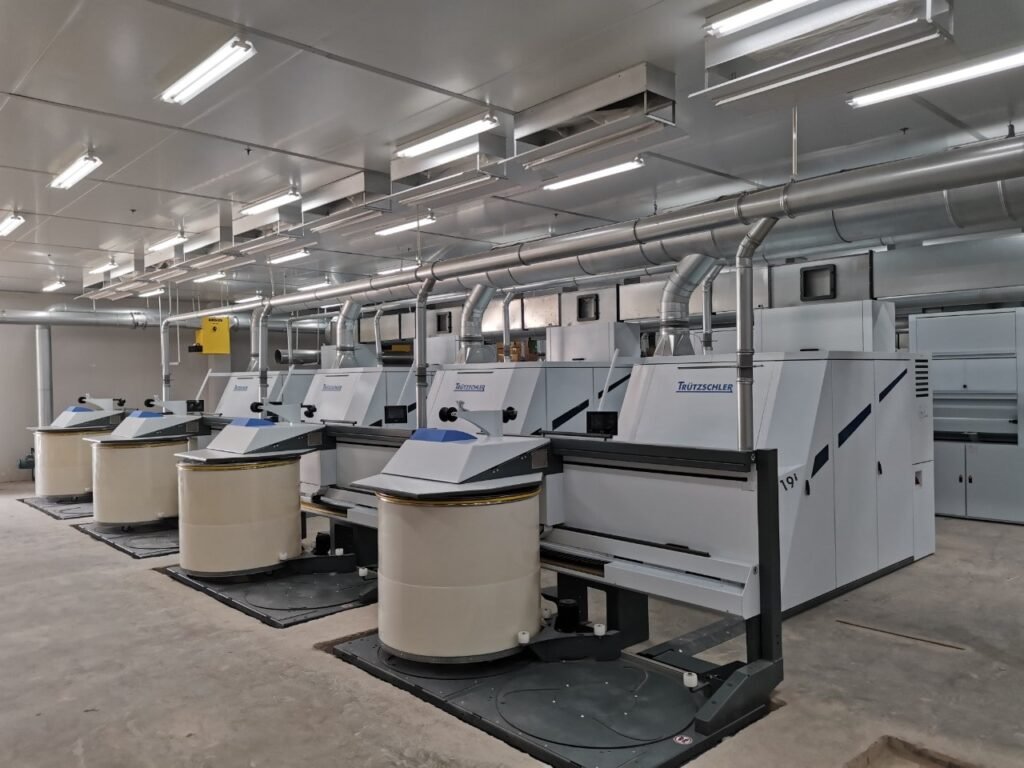
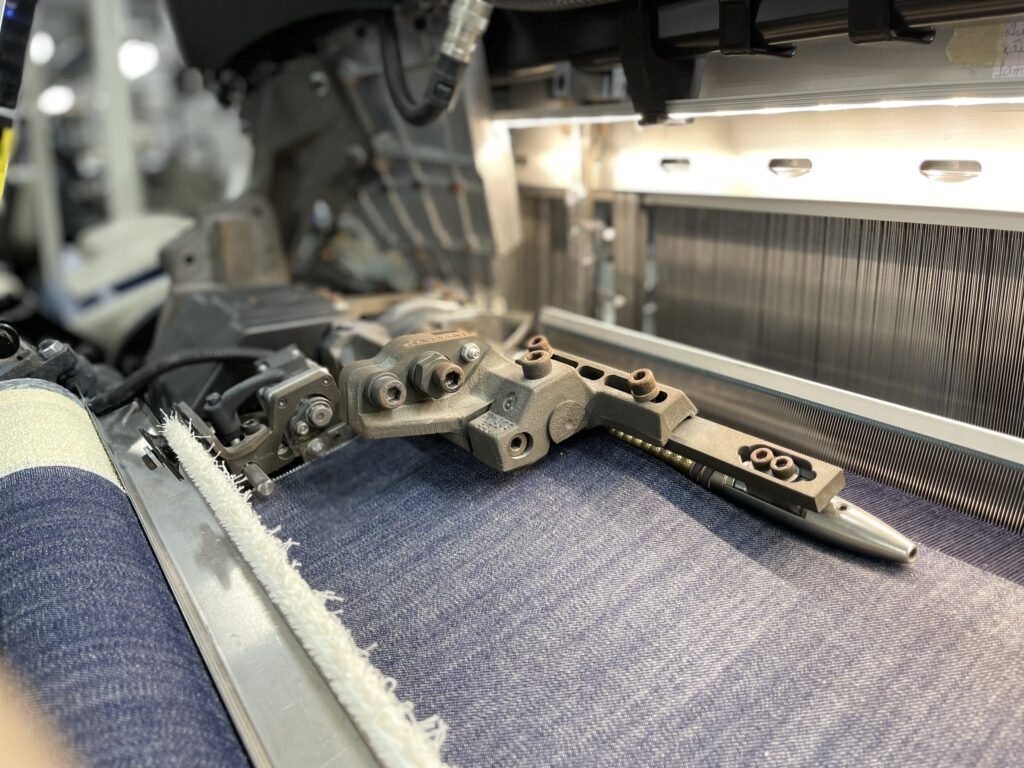
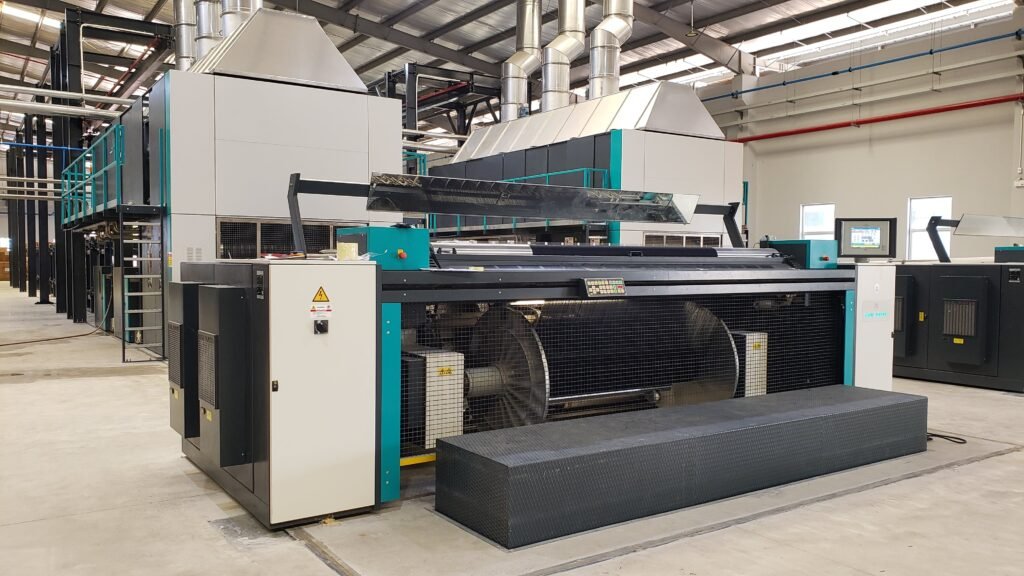
Cotton fibers are spun, dyed, woven, and finished on the most advanced and sustainable technologies on the market. Spinning capabilities allow for blending different materials, use dual-core, multiple-core, and SiroSPUN™ technology. Dyeing takes place at the yarn phase which uses the Smart-Indigo™ system to develop hydrosulfite-free indigo dye baths that only use indigo pigment, caustic soda, water, and electricity. The Smart-Indigo™ system utilizes an electrochemical dye bath preparation that emits 90% less CO2, consumes 70% less energy, and 30% less water where the only waste product is oxygen. The mill uses Karl Mayer rope dyeing machines which use less energy to achieve the same result by dipping the rope into fewer dye baths than with standard machines, which translates into a minimum 30% reduction in indigo and chemical usage. Weaving machines use high-efficiency rapier looms, creating the best quality woven fabrics. Finishing mechanisms, also using the latest technology, include singeing, mercerizing, pad batch dyeing, pad steam dyeing, stentering, sanforizing, and fabric tumbling. The mill’s machinery uses less energy, fewer chemicals, and less water creating the most environmentally friendly processes with capabilities to produce 24 million meters of fabric per year.
“It has been our long-term vision to close the loop on our operations. With the opening of the mill and the upcoming launch of our textile upcycling facility, STELAPOP, our vision will be complete,” states Saitex CEO and Founder, Sanjeev Bahl. He continues, “We will close the circle, allowing us to provide unprecedented transparency in denim production and the ability to turn apparel and textile waste into high-quality goods.”
The challenges over the past few years have not impeded Saitex’s progress to realize a fully vertical and circular operation. The introduction of the Saitex Mill greatly shortens the length of its supply chain, eliminates costly middlemen, and provides a transparent and traceable product from “seed to shelf”. Together with Saitex Vietnam, Saitex USA, Saitex Mill, and STELAPOP, the organization will complete its vision of vertical operations that also close the loop on apparel waste, furthering the circular economy.
