


Graphene nanotubes, applied as an advanced conductive material, are being rapidly adopted by the growing PPE market. The world’s largest graphene nanotube manufacturer OCSiAl has developed a multitude of solutions for protective wear applications, from safety suits shielding the body from extreme temperatures and flames to anti-static shoes and cleanroom gloves. Graphene nanotubes ensure compliance with international ESD safety standards for personal protective equipment at automotive, electronics, and ATEX facilities.
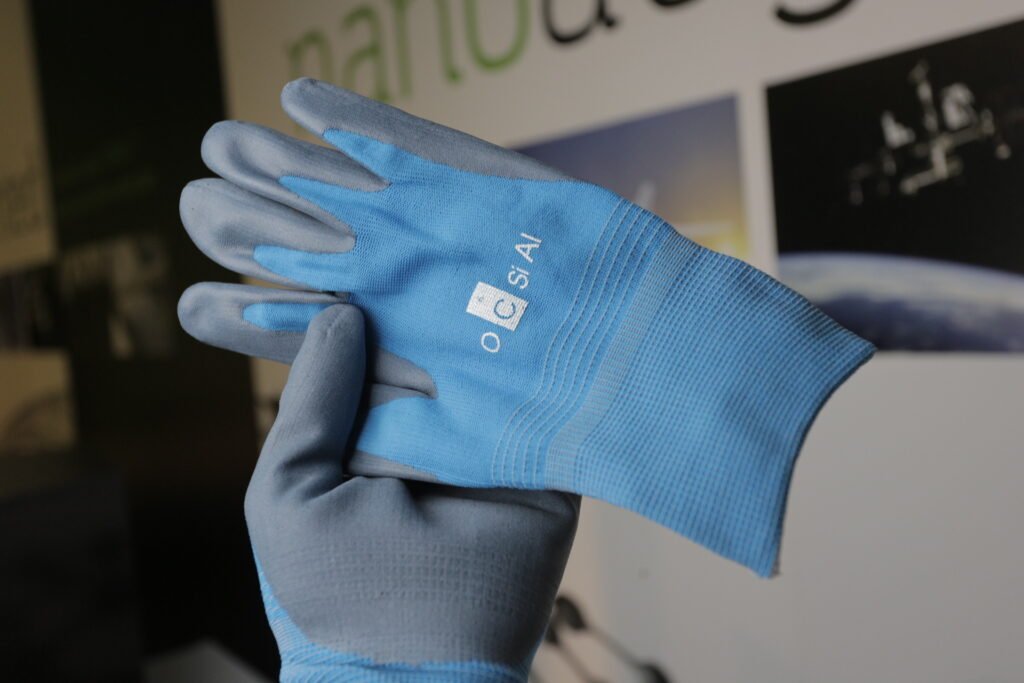
Automotive, electronics manufacturing, oil, and gas, chemical, medical, and even flour—milling facilities require personal protective equipment (PPE) with anti-static properties. Beyond the protection of workers from ignition risk, anti-static clothing prevents the failure of static-sensitive devices that can lead to significant financial losses. New safety regulations drive further growth of the PPE market to keep pace with the increasing automation of industrial facilities. Besides all types of latexes, graphene nanotubes are being applied in the silicone, fluoroelastomer, and PVC plastisol-based textile coatings used for workers’ ESD protection against aggressive fuels, chemicals, hot temperatures, and sparks to ensure they match the global standards for protective wear.

Thanks to their high strength, electrical conductivity, and flexibility, the working dosage of graphene nanotubes are 10-40 times lower than that of other solutions.
A content of just 0.05-0.06% graphene nanotubes makes it possible to produce anti-static latex gloves with an electrical resistance of 10^7 Ω. In contrast to ammonium salts, which are quickly evaporated, nanotubes grant permanent and humidity-independent resistance in full compliance with the new European standard EN 16350:2014 and ATEX regulations. The anti-static properties of these gloves also allow for the smooth operation of touchscreens without the gloves being removed to ensure worker and product protection.
 The use of graphene nanotubes grants a unique combination of permanent anti-static properties with original production processing and color saturation of the product.
This combination is challenging to achieve with other conductive solutions. A tiny dosage of nanotubes facilitates the creation of safer, longer-lasting, colorful clothing. It contributes to the global sustainable consumption approach thanks to fewer raw materials to obtain better-performing products.
