

Bangladesh’s textile industry, which accounts for over 80% of the nation’s export earnings, is grappling with significant challenges as political uncertainties and global economic issues weigh heavily on the sector. In the first half of 2024, textile exports dropped by 7% compared to the same period last year, with revenues falling from billion to .
5 billion.
The decline is partly due to reduced demand in key markets such as the EU and the US, where economic slowdowns have led to a 10% decrease in orders from these regions.
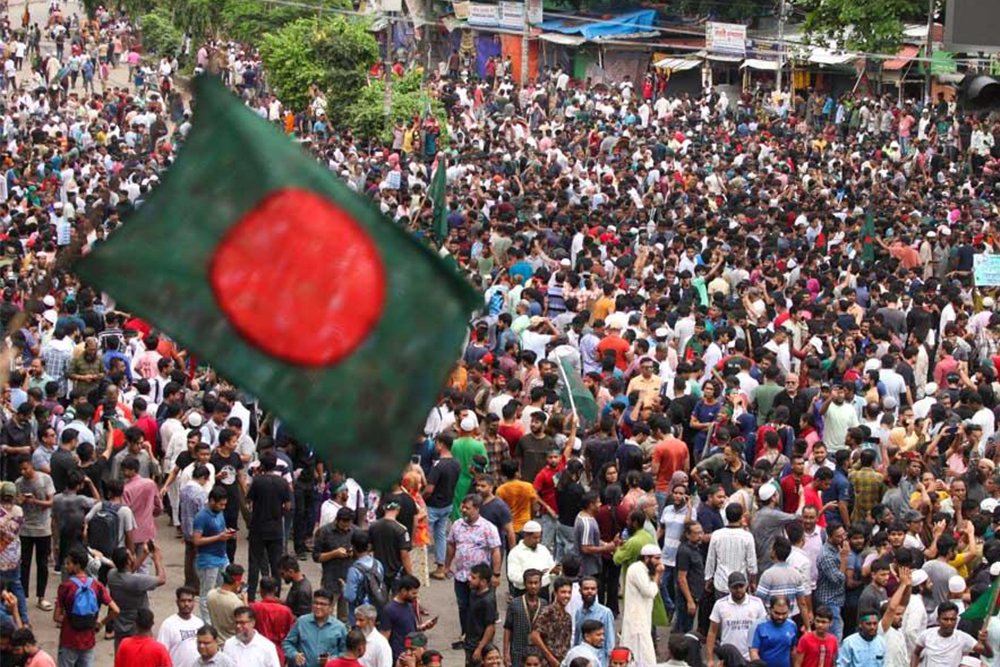
Compounding the issue, recent political unrest in Bangladesh, including strikes and protests, has disrupted production lines and delayed shipments, causing concern among international buyers.
The uncertainty has already affected the country’s currency, with the Bangladeshi Taka depreciating by 3% against the US dollar in the past three months. This has increased the cost of imports for raw materials, squeezing profit margins for textile manufacturers.
Industry leaders are calling on the government to stabilize the political environment and address logistical bottlenecks. They warn that if the situation doesn’t improve, Bangladesh risks losing its competitive edge in the global textile market, potentially costing the country billions in lost trade and putting thousands of jobs at risk.
