

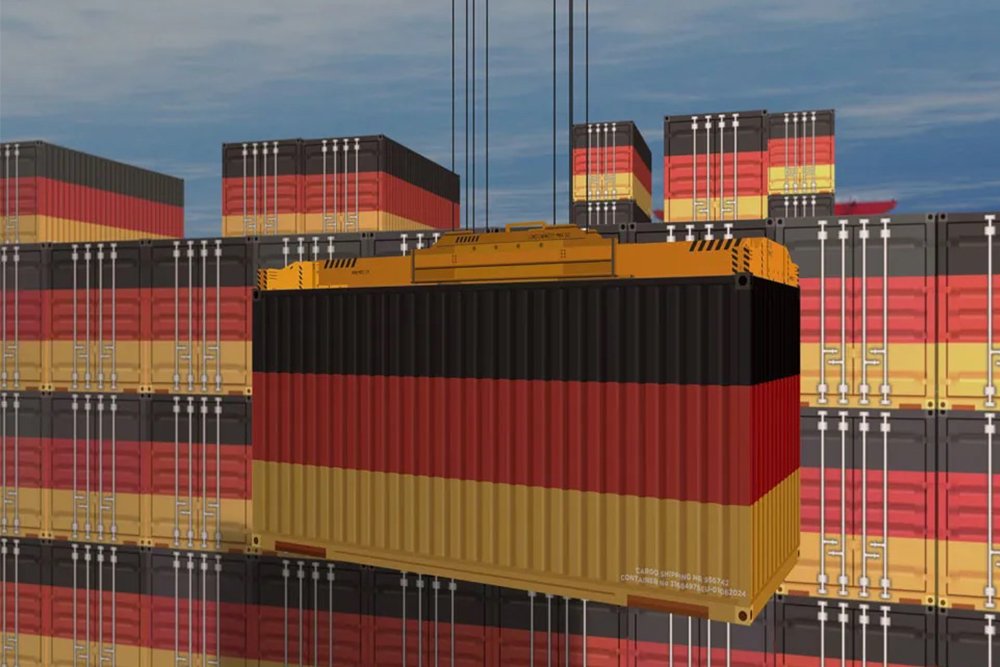
Germany’s trade landscape exhibited contrasting trends in August, as new data from Destatis revealed a 1.
3% month-on-month increase in exports, while imports fell by 3.
4%. This uptick in exports suggests a degree of resilience in the German economy, possibly driven by robust demand for manufactured goods in international markets.
Industries such as automotive and machinery continue to play a vital role in bolstering export performance, despite ongoing global supply chain challenges.
On the other hand, the notable decline in imports may indicate reduced domestic demand or shifts in purchasing patterns, potentially influenced by economic uncertainties and inflationary pressures. The decrease in imports could also reflect supply chain adjustments, as businesses navigate the complexities of sourcing materials and goods in a fluctuating global market.
Economists are analyzing these trends to better understand their implications for Germany’s economic outlook. The trade balance remains a critical indicator, with a stronger export performance contributing positively to GDP growth. However, a sustained drop in imports could raise concerns about domestic consumption and economic vitality.
As Germany grapples with the broader impacts of geopolitical tensions and economic volatility, these mixed signals from trade data will likely inform policy discussions and strategic planning. Stakeholders in the business community are advised to remain vigilant and adaptive as they navigate these evolving market conditions
