

Domestic mills squeezed by imports as policy shifts and rising costs erode competitiveness
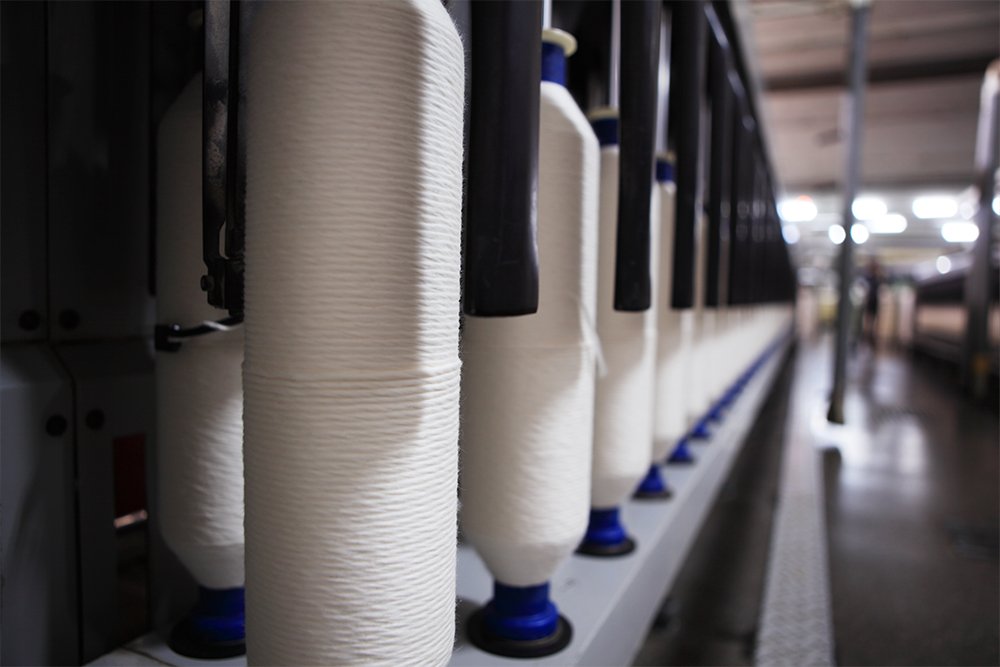
Bangladesh’s textile industry, a cornerstone of its economy, is facing growing disruption from low-priced Indian yarn imports. Once expected to benefit from global trade shifts, domestic spinning mills are now struggling to compete as Indian yarn arrives at roughly $2.60 per kilogram, compared to the $3.00 cost of local production, according to the Bangladesh Textile Mills Association (BTMA).
Over 2024, yarn imports from India surged 41%, while local sales fell nearly 30%. The influx has been compounded by allegations that duty-free bonded imports are being diverted into the domestic market, distorting competition and destabilizing supply chains.
At the same time, export incentives for using locally produced yarn have dropped from 3–4% to just 1%, while utility, financing, and logistics costs have risen. More than 50 spinning factories have reportedly scaled down or shut operations, particularly smaller mills unable to absorb mounting cost pressures.
Industry leaders warn that prolonged strain could weaken Bangladesh’s backward-linkage advantage, forcing garment exporters to depend more heavily on imported yarn — undermining local investment and heightening exposure to global price volatility.
To stabilize the sector, stakeholders are urging a coordinated policy response: tightening oversight of bonded imports, restoring export incentives for local sourcing, providing targeted financial and technological support to mills, and investing in domestic fiber, chemical, and dye production.
Bangladesh’s position as a global apparel hub remains strong, but unless these vulnerabilities are addressed, the very base of its textile value chain — its spinning sector — could unravel.
