

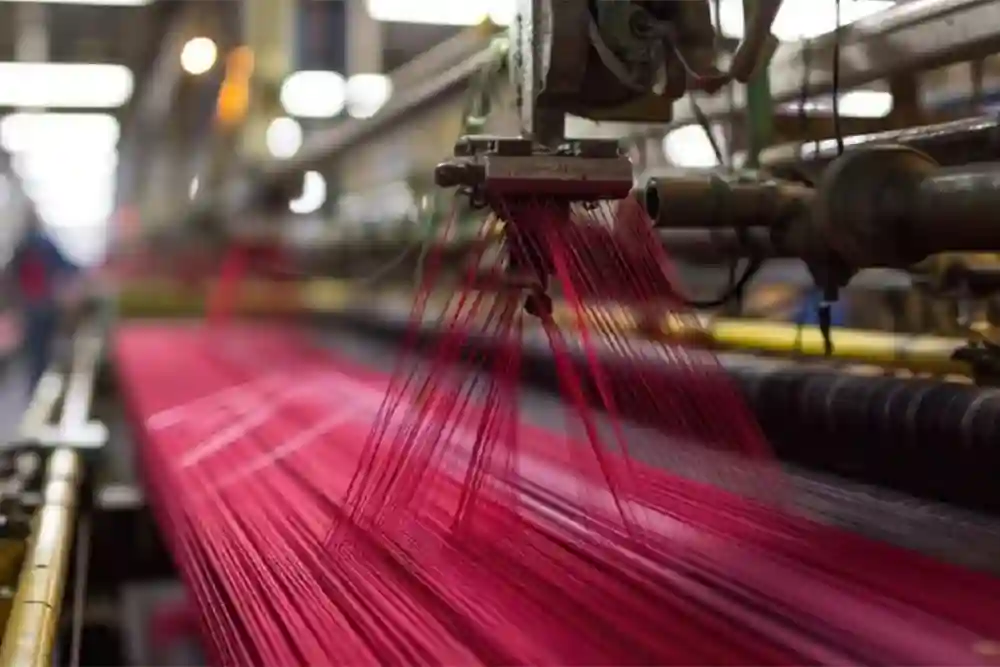
Cotton yarn still dominates, but small gains in garments and home textiles hint at diversification potential.
Pakistan’s textile and apparel exports to China showed modest resilience in January–November 2025, reaching $488.5 million, according to data released by the General Administration of Customs of China. The figures underline China’s continued role as a stable outlet for Pakistan’s core textile inputs, even as global demand remains uneven.
Cotton yarn remains the backbone of trade. Two yarn categories alone accounted for nearly four-fifths of shipments, with one line valued at $205.4 million and another at $181.1 million. This concentration reflects Pakistan’s enduring competitiveness in upstream spinning, but also its limited penetration into higher-value segments.
Momentum improved in the second half of the year. Exports to China rose 8.7% year on year in July–November, with double-digit growth recorded in July, August and September. Alongside yarns, several consumer-facing categories began to gain traction. Women’s garments climbed to $10.3 million, up 18%, while home textiles rose 27% to $5.3 million.
Smaller categories expanded rapidly from a low base. Exports of carpets, babies’ garments and made-up textile articles each more than doubled year on year, signalling niche opportunities linked to China’s increasingly segmented retail and e-commerce markets.
Industry observers argue that these gains, while modest in absolute terms, point to a strategic opening. Moving beyond yarn will require tighter quality control, faster lead times and stronger compliance with Chinese standards, particularly in finishing and dyeing. Without such upgrades, Pakistan risks remaining a supplier of inputs rather than products.
Parallel initiatives in vocational training and SME development, launched this month in Peshawar with Chinese partners, suggest a longer-term effort to build the skills base needed to climb the value chain. Whether that translates into sustained export diversification remains the real test.
