

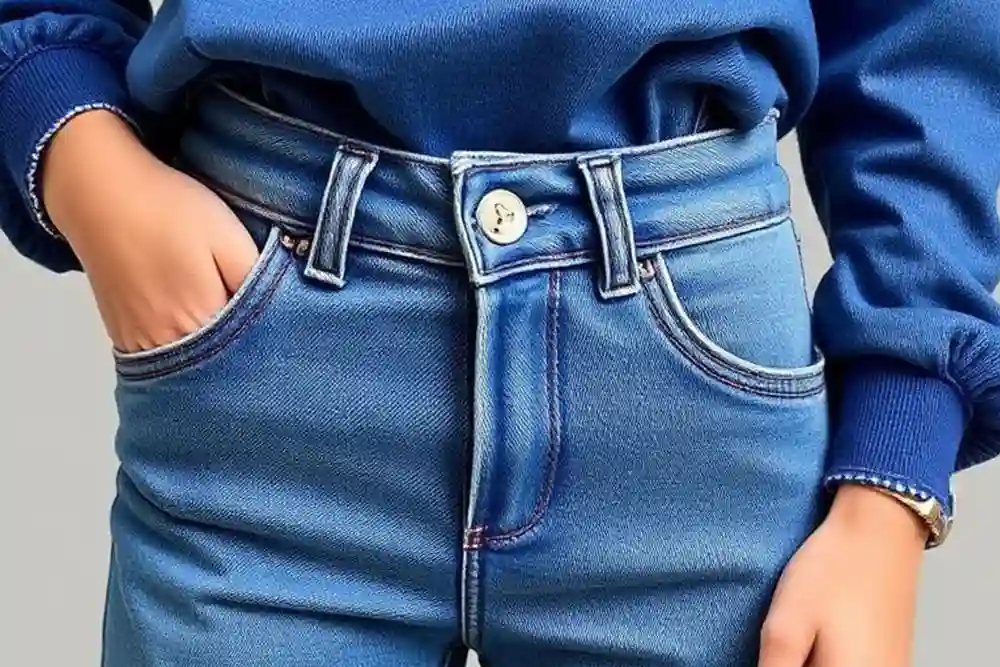
What emerges from the 2026 denim outlook is not a single dominant silhouette or aesthetic, but a structural shift in how denim functions culturally, commercially, and creatively.
The end of the “one big trend”
Denim is entering a multi-plural phase. Instead of betting on one hero fit, brands are designing for choice, modularity, and identity. Wide legs remain important, but they coexist with straight, barrel, balloon, carrot, mom, stovepipe and even revived skinny fits. The implication is clear:
- Trend leadership is weaker
- Personal styling is stronger
- Forecasting risk has increased
For brands, this means portfolio thinking rather than seasonal bets.
Heritage replaces hype
After years of exaggerated silhouettes and TikTok-driven cycles, there is a gradual return to core and heritage jeanswear—but reinterpreted. The focus is on:
- Construction details (twisted seams, engineered proportions)
- Fabric weight and tactility
- Longevity, repairability, and resale value
Denim’s credibility is increasingly tied to how it wears over time, not how loudly it trends.
Nostalgia fractures into layers
Instead of a single retro moment:
- ’80s bring volume, shoulders, gold hardware, and opulence
- 2010s revive skinnies, indie sleaze, darker palettes
- Y2K persists quietly through construction details rather than overt styling
Crucially, younger consumers are less nostalgic and more pragmatic. References work only when translated into functional, wearable value.
Gen Z economics reshape design
Younger buyers are intentional, research-heavy and value-driven. They care about:
- Authenticity over aspiration
- Longevity over novelty
- Repair, resale and material honesty
This pushes denim toward seasonless design, rigid or blended natural fibers, and silhouettes that communicate quality through structure rather than embellishment alone.
Craft, workwear and tactility rise
The next wave of “newness” is not visual excess but material intelligence:
- Wool blends, crosshatch textures, jacquards
- Subtle coatings (wax, resin, calendaring)
- Details meant to be felt, not just seen
This aligns with a broader shift from spectacle to sensory value.
Technology quietly resets the category
Behind the scenes, innovation is accelerating:
- Digital printing and trompe-l’œil effects
- Advanced coatings and surface finishes
- Recycled and refined fiber blends
By 2026, these technologies move from experimentation into commercial differentiation, combining sustainability with creative freedom.
What this means strategically
For denim brands and mills, 2026 is less about chasing trends and more about building resilient design systems:
- Offer multiple silhouettes with consistent quality
- Invest in materials, construction and storytelling
- Design for longevity, repair and circular use
- Let technology enhance craft, not replace it
Bottom line:
Denim in 2026 is not about what everyone wears—it’s about giving consumers the freedom to choose what feels right. Brands that balance comfort, identity, proportion, and transparency will remain culturally and commercially.
