

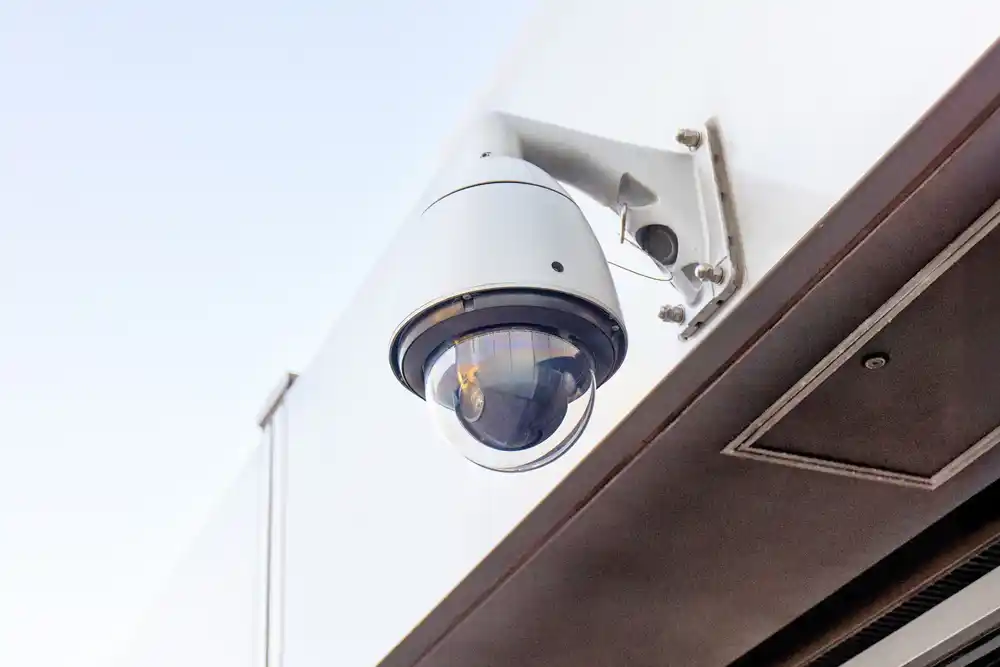
NodeOps is betting that the fastest route to industrial AI is not new sensors, but repurposed cameras—and dashboards buyers can believe.
India’s textile supply chain is digitised in the boardroom and analogue on the shop floor. ERPs reconcile inventory and accounts; supervisors still reconcile reality. NodeOps, via its CreateOS platform, is trying to close that gap by converting existing CCTV feeds into real-time operational visibility for MSME-led manufacturing.
CreateOS treats surveillance as infrastructure: video is centrally stored, access-controlled and retained in an AI-ready format, then translated into operational signals—flow monitoring, bottleneck detection, shift adherence and compliance tracking—without expensive retrofitting or in-house data science teams.
This is a classic “lowest-friction” automation wedge. Textiles are full of micro-inefficiencies (line imbalance, changeover drift, absenteeism, rework loops) that don’t show up in ERP until after the loss has occurred. Video-based records can reduce the grey zone between “what happened” and “what was logged”, shrinking audit disputes and improving supervisory effectiveness.
For buyers, the value is not voyeurism; it is evidence. As due diligence tightens globally—on labour conditions, traceability and process compliance—factory claims backed by time-stamped operational data are harder to contest than paper checklists.
If NodeOps’ model scales, it could standardise a new layer of “factory truth” in India: operational data generated passively, from sunk-cost hardware. The strategic test will be governance—worker consent, privacy-by-design, retention policies—and whether the insights translate into measurable outcomes (OEE uplift, defect reduction, lead-time compression) rather than just more screens.
