

Industrialised composites are creeping from prototypes into mass transit—and the process matters as much as the fibre.
KARL MAYER Technical Textiles will use JEC World (Hall 5, Booth C46) to showcase a pragmatic leap in lightweighting: multiaxial non-crimp fabrics paired with an upgraded pultrusion process to make complex, multi-chamber CFRP profiles at industrial cost.
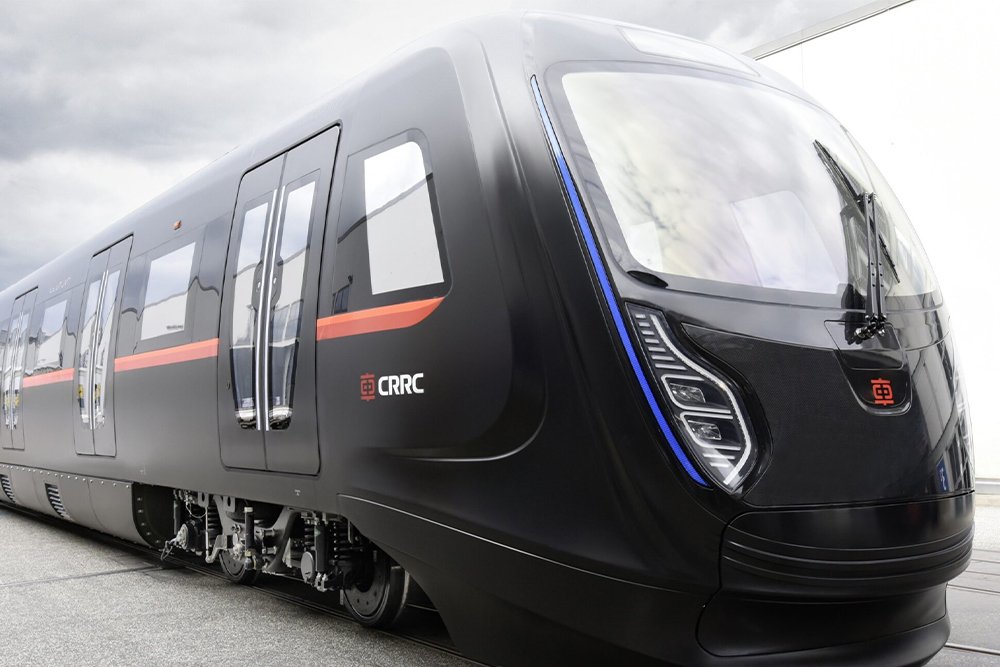
CG Rail, working with partners in Dresden for China’s CRRC, adapted pultrusion to produce multi-chamber CFRP profiles with continuous multiaxial reinforcement and lengths exceeding 20 metres. The profiles—up to 25mm wall thickness—are engineered for multidimensional load cases. In the CETROVO high-speed metro, designed for up to 140km/h, they are used in highly stressed sidewalls, transferring longitudinal forces up to 1,200kN, absorbing high bending loads, and helping deliver a reported 30% weight saving.
Why railways care
Stop-and-go networks make mass a tax: inertia drives energy use more than air resistance, argues CG Rail’s Andreas Ulbricht. Lighter bodies mean lower traction demand, potentially smaller systems, and lower operating costs—especially in metro duty cycles.
What comes next
CETROVO 1.0 has been in service in Qingdao since January 2025, and CG Rail is now eyeing commercial vehicles—bus lattice frames and semi-trailer structures—claiming 20–50% lightweight potential versus metal. The bet: multiaxial non-crimp fabrics (made on KARL MAYER’s COP MAX 5, with fibre angles to ±20°) can turn composites from bespoke parts into repeatable infrastructure.
