

The conflict is no longer a regional shock. It is becoming a systemic threat to trade flows, inflation and financial stability.
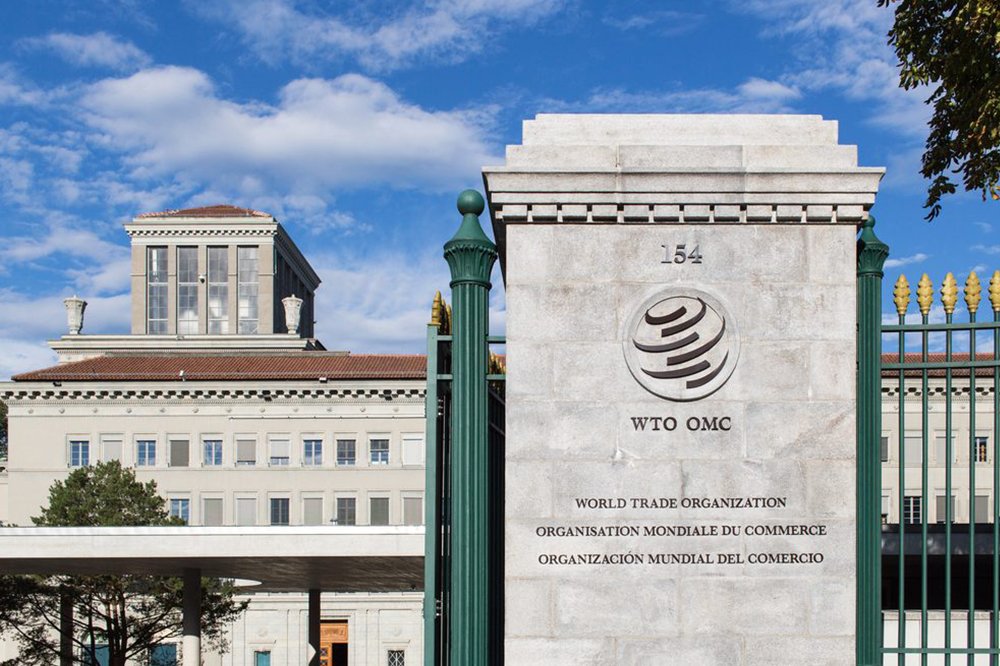
The World Trade Organization has issued one of its starkest warnings in years, saying the war in the Middle East is causing the worst disruption to global trade since the second world war. Speaking at the WTO ministerial conference in Yaounde, Director-General Ngozi Okonjo-Iweala said the multilateral order that shaped trade for decades has been fundamentally shaken.
What is breaking
The immediate damage is already visible in energy, fertiliser and food trade. The conflict has intensified existing pressures from climate shocks, geopolitical rivalry and technological change, while the closure of the Strait of Hormuz by Iran has raised fears over a major choke point for oil and gas flows. WTO members are meeting against a backdrop of division, rising protectionism and stalled negotiations.
Why it matters
This is not simply a trade-policy problem. The European Central Bank has warned that the war could trigger broader financial stress, especially at a time when markets are already vulnerable because of elevated asset prices and fragility in non-bank finance. Higher oil and gas prices are feeding fears of a new supply shock, with traders now expecting tighter monetary policy.
What comes next
The scale of the fallout will depend on how far the war spreads and how long it lasts. But the broader signal is already clear: global trade is entering a more volatile, fragmented era, where geopolitical conflict can quickly spill into inflation, finance and industrial supply chains.
