

The latest budget demand from apparel and textile exporters goes beyond tax relief. It calls for a structural reset in how Pakistan governs exports, arguing that fragmented authority is now hurting competitiveness as much as high costs.
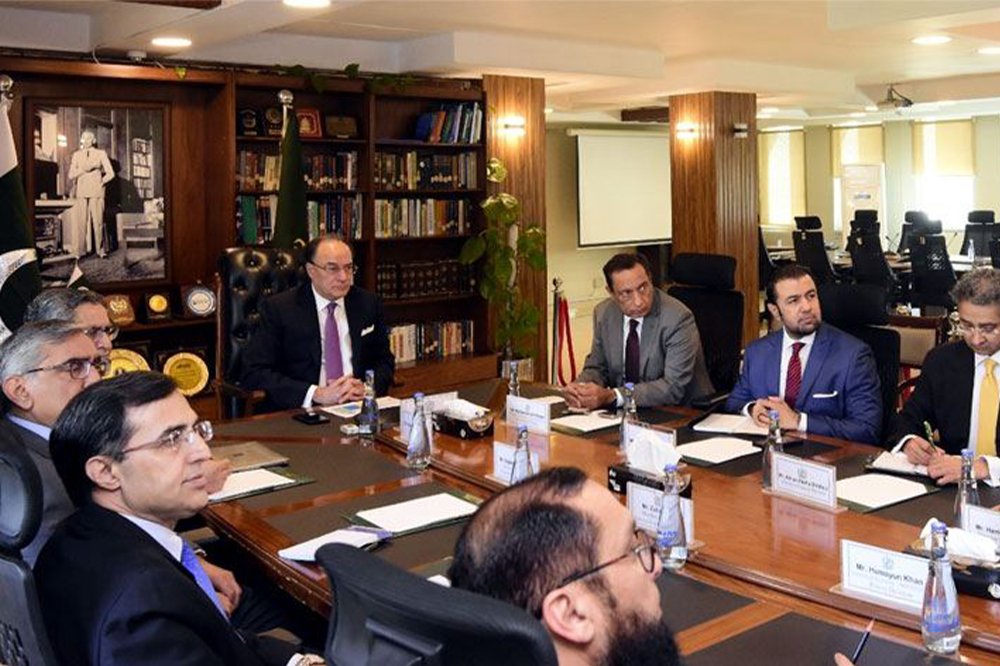
Pakistan’s leading value-added textile and apparel bodies have jointly urged the government to declare exports a fully federal subject and place them under a single one-window federal authority, arguing that overlapping jurisdictions and inconsistent implementation are undermining trade performance. The proposal was presented by Muhammad Jawed Bilwani, chairman of the Pakistan Apparel Forum, during a pre-budget consultation with Minister of State for Finance Bilal Azhar Kayani at the Karachi Chamber of Commerce and Industry.
The demand reflects a broader frustration in the export sector. Exporters argue that policy on taxation, incentives, facilitation and trade administration should be handled uniformly at the federal level because bilateral and multilateral trade commitments are signed by Islamabad, while business implementation is often distorted by provincial interpretation and procedural overlap. Their case is that a centralized export authority would cut duplication, simplify compliance and improve ease of doing business at a time when Pakistan’s exporters are already under severe cost pressure.
Fiscal pressure is driving the urgency
The constitutional and administrative demand is tied closely to tax and liquidity concerns. The associations are also calling for a return to the Fixed Tax Regime, restoration of the Export Facilitation Scheme in its earlier form, reintroduction of DLTL support, withdrawal of super tax from the export sector, and renewed Regionally Competitive Energy Tariffs. They warn that value-added exporters are operating on margins of just 2% to 3%, and that the sector — which they say contributes 56% of Pakistan’s total exports — risks losing capacity without immediate reform.
More than a tax plea
What makes the proposal notable is that it frames export growth as a governance issue, not only a fiscal one. In effect, exporters are saying Pakistan cannot keep pursuing export-led growth while treating export administration as a fragmented, multi-layered process.
Kayani has said the government is conducting nationwide consultations ahead of the Budget 2026–27, with export competitiveness as a core theme.
The real test now is whether the budget delivers tactical relief alone — or starts moving toward a more coherent export state.
