

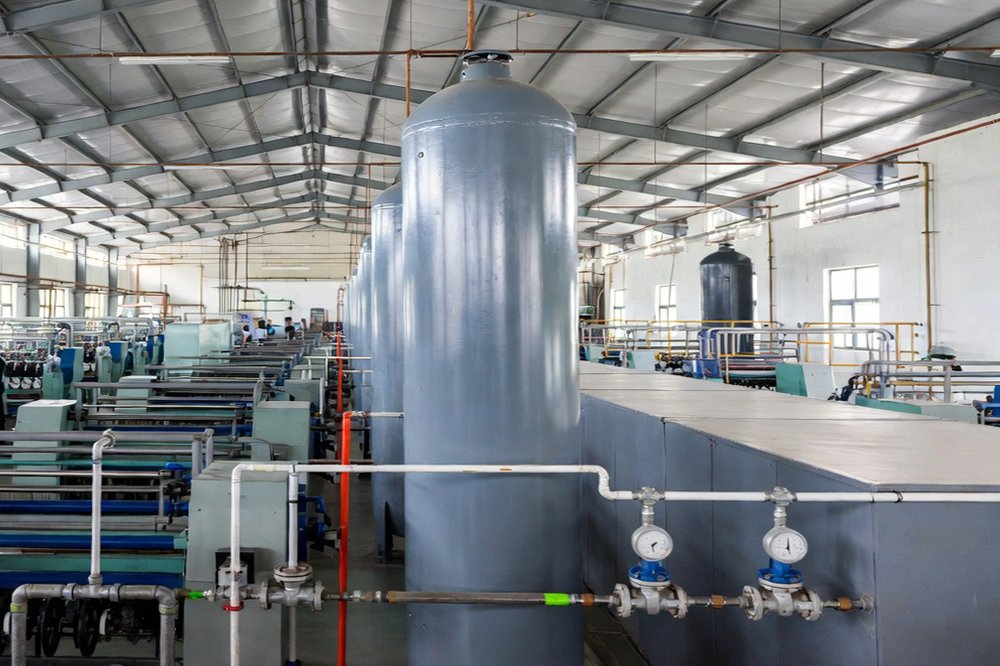
The latest gas-policy change will not solve Bangladesh’s wider energy constraints, but it should make factory-level gas management faster, cheaper and less bureaucratic for major industrial users such as textile mills.
Bangladesh has revised its industrial gas-use rules to allow factories to replace or rearrange gas equipment without prior approval from distribution companies, as long as the approved hourly gas load remains unchanged. The new directive, issued by the Power, Energy and Mineral Resources Division on April 20, is intended to reduce delays and improve operating flexibility for industrial users.
The most important change for manufacturers is procedural. Under the previous system, even internal equipment adjustments could involve cumbersome approvals. Now, factories can make those changes more quickly, although installation and commissioning must still be handled by contractors enlisted with the relevant gas company. The circular also allows unused gas load to be transferred between units on the same premises under the same ownership, subject to approval by the managing director or regional head of the gas utility rather than the board level, which should shorten decision times materially.
Another commercially important provision allows gas allocated for captive power to be shifted to industrial use within the same facility and ownership structure. That matters for textile and garment factories, where production priorities can change quickly and energy-use patterns often need to be adjusted between processing, utility support and power generation. The circular also requires gas companies to install meters within seven days and verify installation quality, adding a more explicit accountability measure.
The textile sector has welcomed the move. Reporting in both The Financial Express and Textile Today says the Bangladesh Textile Mills Association described the reforms as timely and positive, particularly for energy-intensive textile operations that rely on more responsive gas management to maintain productivity and contain cost.
The broader context, however, remains difficult. Bangladesh’s manufacturers have been operating under wider fuel and gas pressure linked to regional energy disruption, with exporters recently warning that the sector remains fragile because of the energy crisis and related logistics strain. In that context, the new policy is best seen as an efficiency reform rather than a full energy solution. It reduces administrative friction, but it does not remove the deeper issue of constrained and volatile energy supply.
For textile mills, the practical value is still significant. Faster internal gas reallocation, less paperwork and more flexible use of captive-power allocations should help reduce bottlenecks and improve plant responsiveness at a time when Bangladesh’s competitiveness is under pressure from rising costs and stronger regional rivals.
