

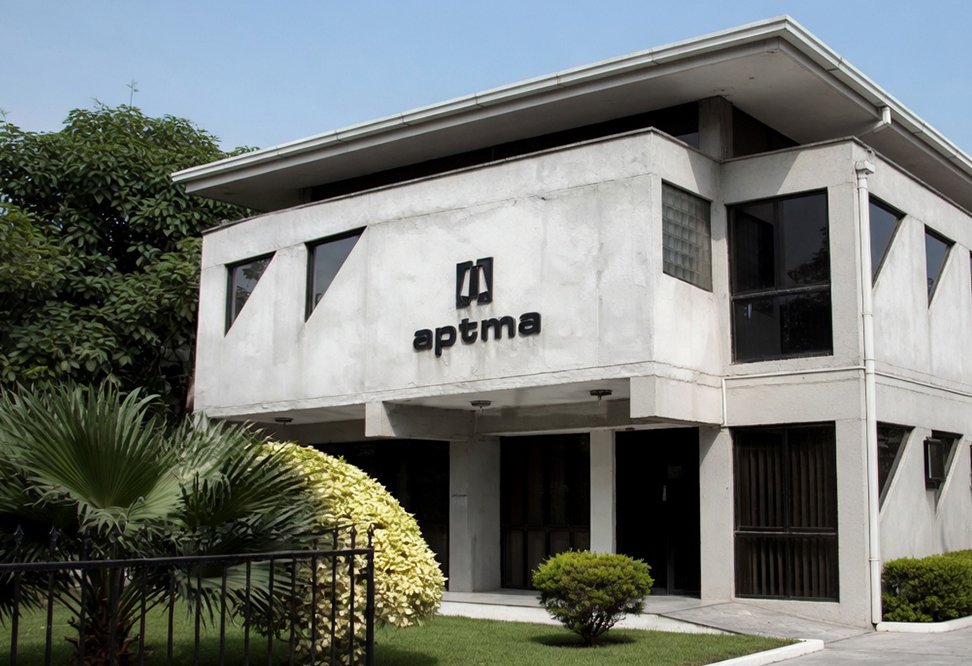
The textile body says the 0.90% infrastructure levy risks becoming a cascading cost on Punjab-based exporters already facing weak margins and high operating costs.
The All Pakistan Textile Mills Association has urged the Punjab government to withdraw the Punjab Infrastructure Development Cess (Amendment) Bill 2026 and review the levy mechanism in consultation with industry. In a letter to Chief Minister Maryam Nawaz Sharif, APTMA Chairman Kamran Arshad said the bill, passed by the Punjab Assembly on May 6, 2026, had caused serious concern across the province’s business community.
A levy on movement and production
APTMA said the bill imposes a 0.90% cess on the total value of goods “manufactured, produced, consumed, imported into Punjab or exported out of Punjab.” The association warned that applying the levy across import, manufacturing, consumption and export stages would raise costs for Punjab’s industrial base, particularly export-oriented textile units.
The concern is commercially significant because textile exporters largely sell into buyer-driven international markets, where price increases are difficult to pass through. APTMA argues that the additional cost would erode competitiveness and could push some exporters out of global markets.
Double taxation risk for Punjab mills
A major issue is the comparison with Sindh-based industry. Since most import and export consignments move through Sindh’s ports, APTMA says Punjab-based manufacturers could effectively face cess exposure in both Sindh and Punjab, while Sindh-based businesses would pay only once. This, the association argues, creates an unequal cost structure against Punjab’s textile mills.
Business groups have already opposed the levy. FPCCI has also called for withdrawal of the 0.9% Punjab Infrastructure Development Cess, saying it raises business costs and weakens trade activity.
Enforcement powers raise alarm
APTMA also objected to proposed enforcement powers, including pickets, check posts, monitoring stations, electronic surveillance and penalties of up to ten times the cess amount. The association said such provisions could obstruct free movement of goods and expose businesses to harassment.
The Punjab government’s argument is that infrastructure cess supports revenue collection and development funding. But for exporters, the practical test is whether the levy increases logistics friction and production cost at a time when Pakistan needs higher industrial investment and stronger export performance. The next signal to watch is whether Punjab opens a formal consultation process with APTMA, FPCCI and affected export sectors before implementation.
