

The Tashkent talks link cotton trade, rural income and narcotics reduction—but Afghanistan’s competitiveness will depend on quality, certification and processing capacity.
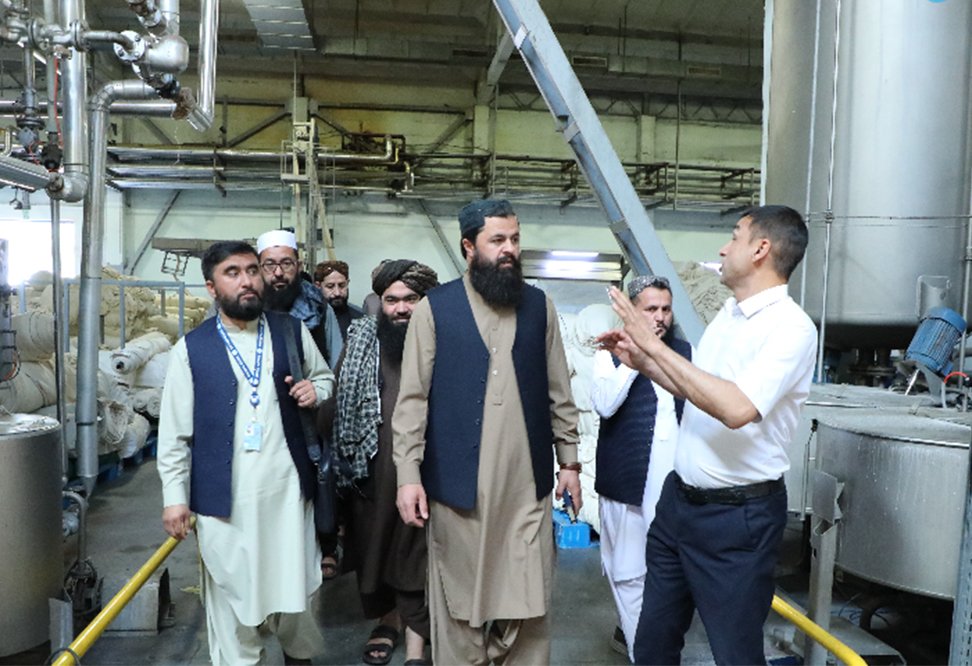
Afghan cotton traders and experts visited Uzbekistan from April 25 to May 2, 2026, in a UNODC-supported initiative aimed at expanding cotton trade and strengthening legal agricultural value chains. The programme, supported with Uzbekistan and Japan International Cooperation Agency involvement, brought Afghan cotton-sector representatives into discussions with Uzbek officials, textile companies, farmers’ groups and private-sector buyers.
Cotton as an alternative economy
The commercial purpose is clear: turn cotton into a stronger legal-income stream for Afghan farmers at a time when poppy cultivation has been sharply reduced. UNODC data reported by Reuters showed Afghanistan’s opium cultivation fell 20% in 2025 to around 10,200 hectares, while opium output dropped 32% to 296 tonnes, far below the 232,000 hectares cultivated in 2022 before the Taliban ban.
That decline creates a rural-income problem as well as a narcotics-control achievement. Cotton cannot simply replace poppy on price, but it can create employment across farming, ginning, grading, transport, spinning and trading if reliable buyers and processing channels are established.
Uzbekistan offers a natural route
Uzbekistan is a logical partner because it has a large cotton-textile base and has been building deeper domestic processing capacity. During the visit, Uzbek textile companies reportedly examined Afghan cotton samples and expressed readiness for initial contracts of 100–300 tonnes, with a longer-term target of expanding trade to 30,000 tonnes. Discussions also covered seed improvement, farmer training, laboratory testing, irrigation upgrades, cotton processing and export development.
For Afghanistan, this matters because trade disruptions with Pakistan have increased the urgency of alternative regional markets. Uzbekistan offers proximity, textile-processing demand and a potential pathway into Central Asian value chains.
Quality will decide scale
The opportunity is real, but not automatic. Afghan cotton exporters will need consistent fibre quality, contamination control, reliable grading, certification, logistics discipline and bankable contracts. Without these, trade will remain opportunistic rather than industrial.
The next test is whether the Tashkent engagement produces repeatable commercial flows, not only symbolic agreements. If Afghanistan can connect farmers to certified cotton supply chains and Uzbek mills can absorb regular volumes, cotton could become a practical pillar of a more legal, employment-rich rural economy.
