

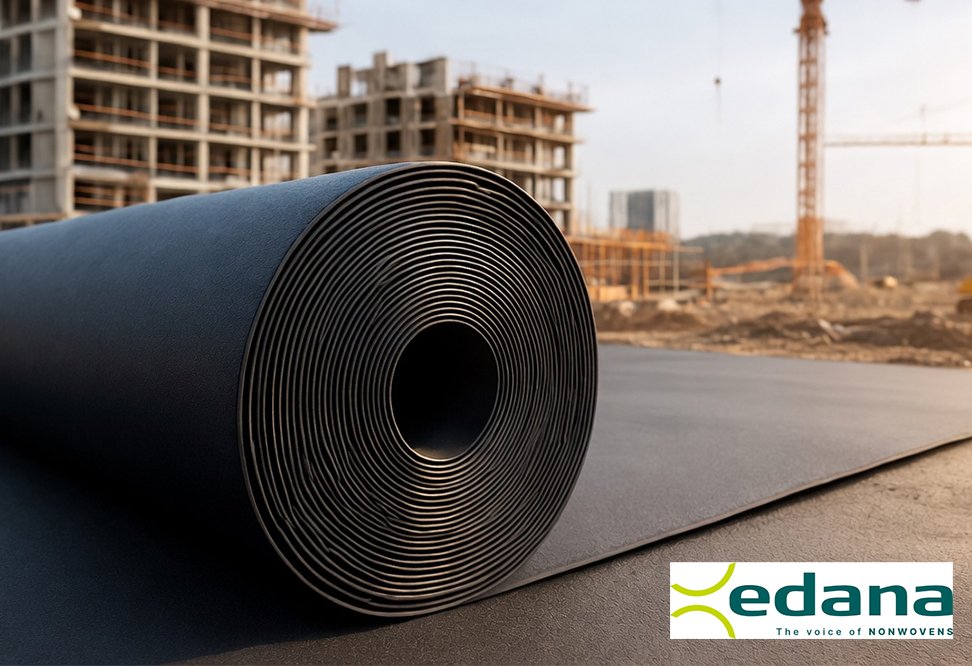
The European Commission’s sharp provisional tariffs on Chinese PET spunbond signal a tougher industrial trade posture as Europe seeks to shield domestic nonwovens producers from state-backed pricing pressure.
The European Commission has imposed provisional anti-dumping duties of 45.6% to 50.0% on imports of certain PET spunbond nonwovens from China, following an eight-month investigation that concluded Chinese exporters were selling products in the EU at unfairly low prices, causing material injury to European manufacturers.
European nonwovens association EDANA welcomed the move, describing it as an important step toward restoring fair competition in the EU market.
Trade defence escalates
According to the Commission’s preliminary findings, dumped Chinese imports contributed to measurable damage across the EU industry, including declines in production volumes, sales performance, profitability, and broader industrial competitiveness.
The provisional duties took effect on 13 May 2026 and will remain in place until 13 November 2026, during which the Commission will complete its investigation and decide whether to impose definitive anti-dumping duties for a five-year term.
A further risk for importers is retroactivity. If the Commission confirms definitive measures, duties could potentially be applied retrospectively for up to 90 days before the provisional measures took effect, increasing exposure for traders and downstream buyers.
Jacques Prigneaux, Market Analysis & Economic Affairs Director at EDANA, said the decision reflects growing EU willingness to defend strategic industrial value chains from unfair, state-supported market distortions.
Customs compliance now critical
Beyond pricing, EDANA also warned importers about customs compliance risks, stressing the legal obligation to classify affected imports correctly under the relevant TARIC codes.
The affected products include specific polyester spunbond nonwoven materials, particularly needle-punched polyester filament sheets, including some glass-fibre reinforced variants, within tightly defined technical parameters covering weight, thickness, binder treatment, and fibre composition.
The relevant customs classifications include:
- CN codes: ex 5603 13 90, 5603 14 20, ex 5603 14 80
- TARIC codes: 5603 13 90 70 and 5603 14 80 70
Why this matters
For Europe’s nonwovens sector, the case highlights intensifying trade friction between the EU and China across industrial materials markets.
For converters, distributors, and procurement teams, the immediate implication is higher sourcing costs, tighter customs scrutiny, and possible supply-chain realignment toward non-Chinese suppliers.
The final Commission decision in November will determine whether this becomes a temporary trade intervention—or a longer-term restructuring of the European PET spunbond market.
