


The initiative shifts body-data work from large surveys toward faster, actionable sizing intelligence for brands and retailers.
Hohenstein Apparel Fit Solutions has launched a Global Size Study designed to help apparel brands and retailers improve fit accuracy, grading, size charts and market coverage. The programme invites brands worldwide to participate and will provide summary reports based on body measurement data collected from their own consumers. Data collection is scheduled to run from summer through fall 2026, with reporting after the close of the collection period.
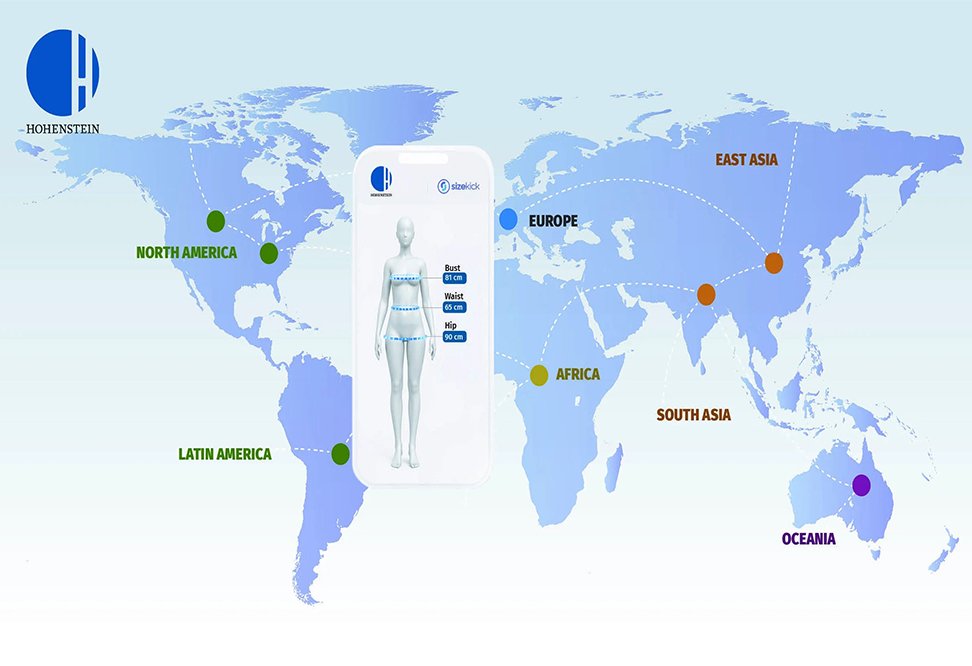
From measurement to decisions
The study uses a digital-first model developed with Sizekick, the Munich-based AI sizing company. Participating brands will ask consumers to download a standalone app and create a fit profile, either through mobile participation or in-store experiences. The aim is to generate scalable body-data insights that can be translated quickly into practical decisions for product development, grading and market-specific sizing.
Unlike traditional size surveys, which can take years to produce usable results, Hohenstein says this model is designed to deliver continuous, structured insights that brands can apply more efficiently. The study focuses on the measurement points that most directly affect fit: bust, chest, waist, hip and height.
Fit becomes a commercial issue
The project combines consumer body measurement data with Hohenstein’s network of more than 1,000 professional fit models, giving brands a route from statistical insight to real-world fit validation. Hohenstein’s Apparel Fit Solutions division brings experience in pattern engineering, fit analysis and sizing strategy, while its Digital Fitting Lab supports the use of 3D technologies and digital fitting for global apparel markets.
The commercial case is clear. Poor fit affects conversion, returns, customer loyalty and inventory efficiency. Sizekick’s platform is built around smartphone-based body measurement and AI size recommendation, with the stated aim of reducing size-related returns and improving e-commerce performance.
A new sizing infrastructure
For global brands, the study could help identify regional body-shape differences, refine size standards and improve fit consistency across product categories. This is increasingly important as brands sell across fragmented markets where one legacy size chart rarely serves all consumers well.
The next question is adoption. If enough brands participate, Hohenstein’s study could become a practical bridge between body data, fit models and commercially usable sizing strategy.
