

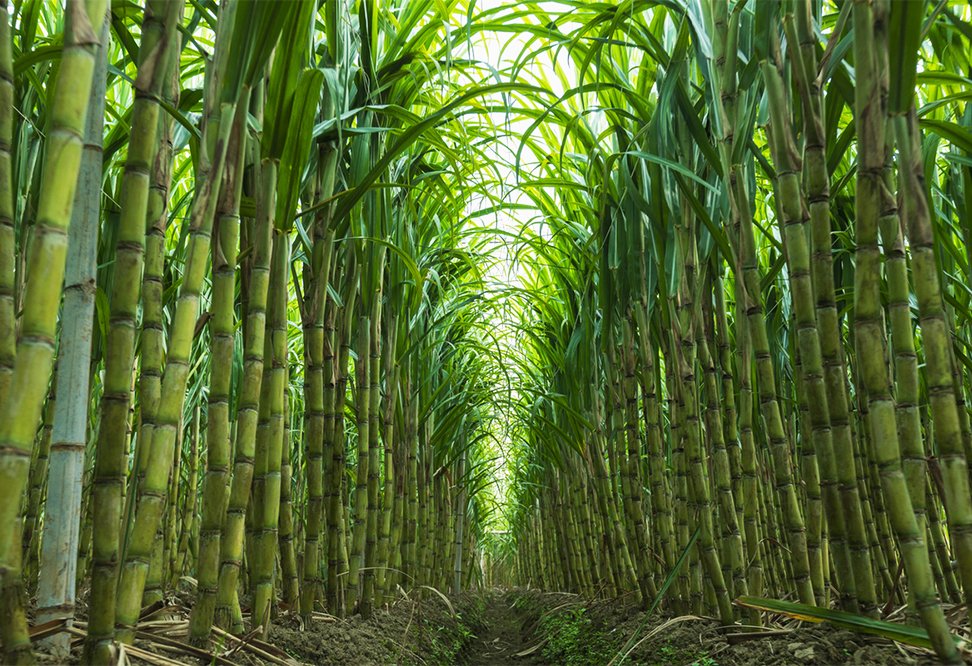
As sugarcane acreage rises and cotton retreats, Pakistan faces a crop-policy problem with direct consequences for ginners, spinners, cottonseed supply and textile exports.
Pakistan’s crop economics are increasingly favouring sugarcane over cotton. In 2025-26, the area under sugarcane expanded by 2.4% to 1.22 million hectares, while output rose 6.2% to 89.45 million tonnes. Cotton moved in the opposite direction: area fell 1.5% to 2.01 million hectares and production declined marginally to 7.05 million bales. The Pakistan Economic Survey attributes sugarcane’s expansion to higher expected returns relative to competing crops, including cotton and maize.
Ghotki illustrates the shift
The conversion is especially visible in Sindh’s traditional cotton belt. Dawn reports that a sixth sugar mill has begun trial operations in Ghotki, processing about 92,000 tonnes of cane, reinforcing a longer-term shift in the district’s agricultural profile. Historically associated with cotton, Ghotki has become increasingly oriented towards sugarcane as mill capacity and procurement demand have expanded.
For growers, the attraction is clear. Sugarcane provides a relatively predictable cash-flow cycle and has historically benefited from administered pricing arrangements. Cotton, by contrast, exposes farmers to greater volatility in seed quality, pest pressure, weather losses, market prices and delayed returns.
Water turns a commercial choice into a policy issue
The problem is not merely crop substitution. It is water allocation. Data cited by Dawn from Sindh Agriculture University estimates sugarcane’s water requirement at 66.9 inches per acre, compared with 31.5 inches for cotton. A shift from cotton to cane therefore commits more irrigation water to a crop that remains in the field for much of the year.
This matters in a system already operating below long-term water availability. Pakistan’s total surface-water availability in 2025-26 was 92 million acre-feet, 11.1% below average system usage, according to the Economic Survey.
Cotton needs a credible production economics reset
Pakistan cannot revive cotton through acreage targets alone. Cotton zones need reliable canal-water access, certified seed, effective pest management, timely payments and pricing mechanisms that make the crop commercially rational for growers.
The textile sector should treat this as an upstream competitiveness issue. Every hectare lost to cane or rice weakens domestic fibre availability, reduces cottonseed output and increases exposure to imported cotton and edible oils. The next Kharif planting season will show whether policymakers can correct the imbalance before it becomes structurally embedded.
