

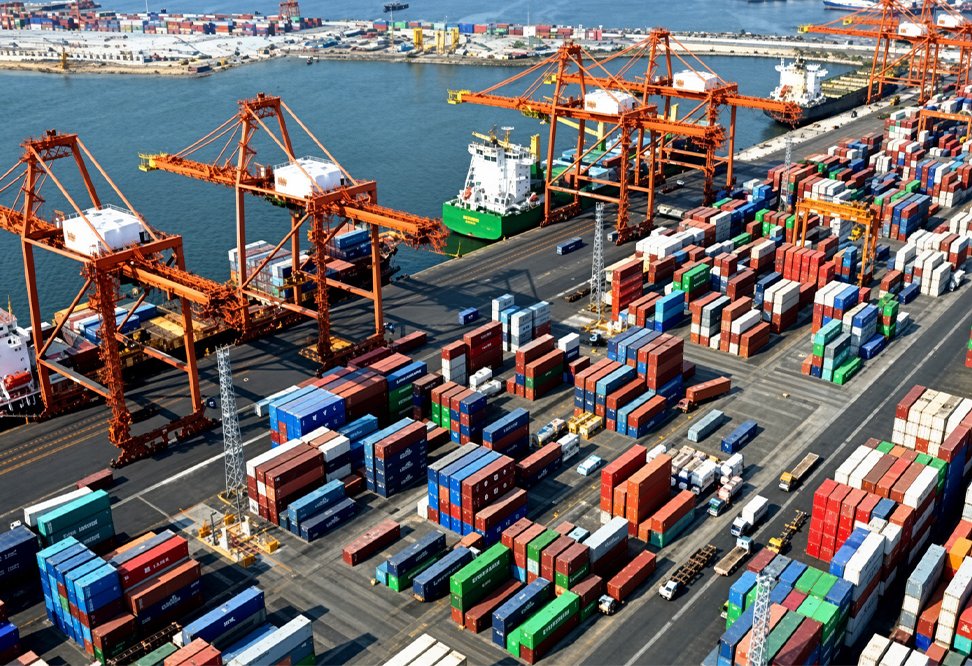
The proposed garment city would combine port access, dedicated utilities and one-window customs services, but its ambitious export and employment targets will depend on infrastructure delivery and private investment.
Pakistan plans to establish a 400-acre export-oriented apparel zone at Port Qasim, with the first phase projected to generate $2.2 billion in annual exports and 138,125 jobs. Federal Minister for Maritime Affairs Muhammad Junaid Anwar Chaudhry announced the proposal on August 17, positioning the cluster around higher-value garment manufacturing rather than basic assembly.
First phase covers 250 acres
The initial development would occupy 250 acres, of which 35% is reserved for roads, utilities and green areas. The remaining land would accommodate 32 industrial plots initially designed at five acres each, although authorities may reduce plot sizes to two or three acres to accommodate more manufacturers. The project is envisaged as a public-private partnership.
Port Qasim Authority would provide infrastructure and utilities. Planned zone-wide capacity includes 13 million gallons of water per day, 64 MW of grid electricity and 750,000 pounds of industrial gas per day. Each industrial unit could receive up to 400,000 gallons of water, 2 MW of electricity and gas sufficient to support about 10 tonnes of steam requirement.
Artistic Milliners becomes anchor investor
Pakistani denim and textile manufacturer Artistic Milliners is expected to establish a vertically integrated production unit with investment exceeding $18 million, incorporating green manufacturing technologies.
The zone would also introduce a one-window mechanism covering specialised customs desks, streamlined export processing and dedicated transport corridors—potentially reducing logistics and clearance time for exporters.
Higher value per garment is the real test
Government projections aim to raise average garment export value to approximately $8 per piece. That objective matters more than simply adding factory space: Pakistan’s apparel competitiveness increasingly depends on moving towards higher-value products, faster delivery and more integrated manufacturing.
The project remains at the planning stage, with no construction timetable, financing structure or completion date publicly disclosed. Its success will therefore depend on reliable utilities, competitive energy pricing, investor uptake and whether the promised port-linked customs infrastructure materially reduces exporters’ lead times and costs.
