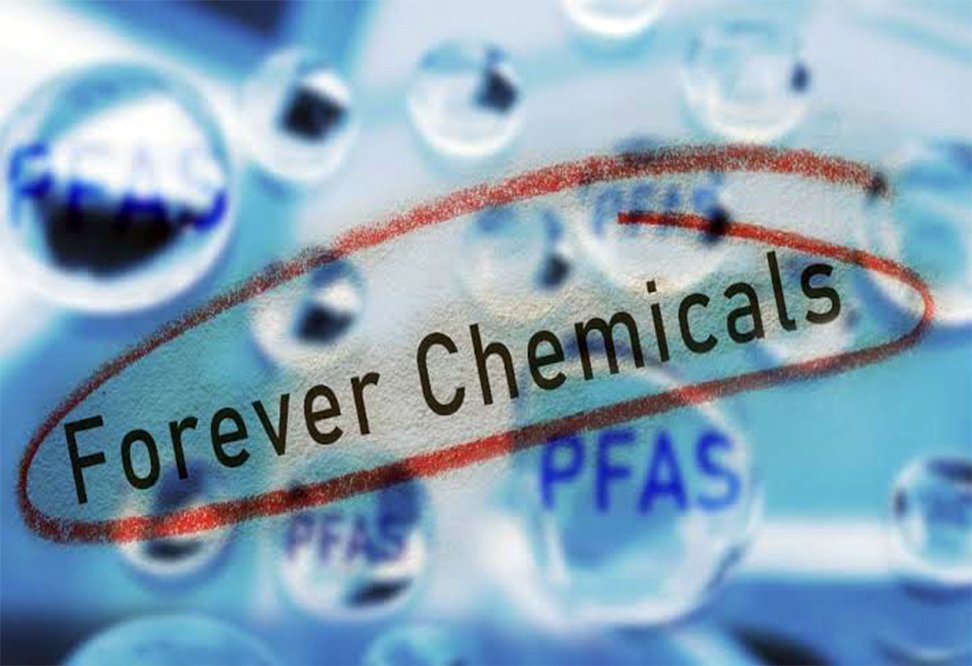
Exporters must now control PFHxA contamination at parts-per-billion levels, pushing chemical traceability, supplier declarations and laboratory testing deeper into textile production.
New European Union limits on PFHxA, its salts and PFHxA-related substances became applicable on 10 October 2026 for consumer clothing, related accessories and footwear under REACH. The rule prohibits products containing 25 ppb or more of combined PFHxA and its salts, or 1,000 ppb or more of PFHxA-related substances, measured in homogeneous material.
Products already placed on the EU market before October 10 are exempt from this specific restriction.
Scope widens in 2027
From 10 October 2027, the same thresholds extend to other consumer textiles, leather, furs and hides beyond clothing and accessories. Certain applications—including specified Category III personal protective equipment, medical devices and construction textiles—are excluded.
PFHxA belongs to the wider PFAS family, used historically in applications requiring oil, water and stain resistance. A broader EU restriction covering PFAS as a class is still progressing through REACH: ECHA’s Risk Assessment Committee adopted its opinion in March 2026, while the socio-economic assessment continues through the regulatory process.
Europe is already fragmented
Compliance is complicated by stricter national rules. France has prohibited PFAS in clothing textiles and footwear since 1 January 2026, subject to defined exemptions, using thresholds including 25 ppb for individual targeted PFAS, 250 ppb for the sum of targeted PFAS and 50 ppm for PFAS including polymers.
For textile exporters, PFAS management can no longer be limited to checking whether a finishing recipe intentionally contains fluorinated chemistry.
Mills need chemical inventories, supplier declarations, MRSL/RSL screening, segregation controls and risk-based finished-product testing, particularly for outerwear, performance apparel and footwear materials.
The competitive advantage will increasingly belong to suppliers able to provide buyers with credible evidence that fabric, coatings, membranes, trims and finishing chemicals meet both EU-wide and market-specific PFAS limits. PFAS compliance is becoming a data-management and supply-chain-control issue as much as a chemistry issue.