


As global oil prices top $100 a barrel for the first time since 2014, it is expected that the polyester prices may increase significantly. Polyester is a synthetic fabric that’s usually derived from petroleum.
This fabric is one of the world’s most popular textiles, and it is used in thousands of different consumer and industrial applications.
However, polyester prices are expected to influence Pakistan’s textile exports with increasing oil prices.
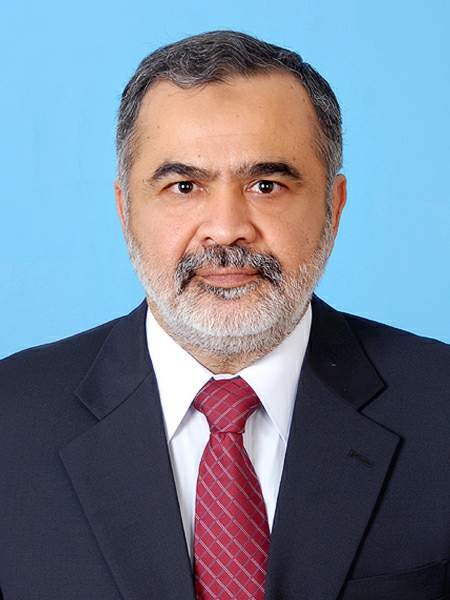 Javed Bilwani, chairman of Pakistan Apparel Forum, said polyester prices were going up not only for Pakistan but for the entire world, and an increase in its prices would not affect the country’s textile sector in a significant way as an increase in the cost of doing business would be passed on to buyers.
Over 70 percent of the Polyester Staple Fiber (PSF) is supplied to the textile value chain, i.
e., the spinning sector. The remaining PSF is majorly supplied to the PET packaging industry for making plastic bottles.
The mix of natural and synthetic fibers varies depending on the type of yarn produced. Pakistan’s average polyester Industry size was around Rs109 billion in the last financial year, excluding recycled PSF. The industry, which suffered from the Covid-19 pandemic during FY20, recovered and expanded by around 40 percent in FY21 compared to last year. The study notes that cotton production has improved considerably during the current season due to favorable weather conditions and arrivals at 7.4 million bales.
The growth of the polyester fiber market is mainly being propelled by surging demand for face masks due to the Covid-19 outbreak, the expanding textile industry, booming consumer interest in the apparel sector, and rapid urbanization in emerging countries.
The country’s demand is mainly met through local sales, while some are catered to through imports. Over the recent years, imports have remained relatively stable.

