

Bangladesh’s garment industry is confronting a severe energy-supply shock, with gas shortages and power disruptions cutting factory output just as exporters face higher fuel costs. A survey of 134 knitwear factories found that 78% had partially halted production and 55% had experienced cancelled or reduced orders since late August.
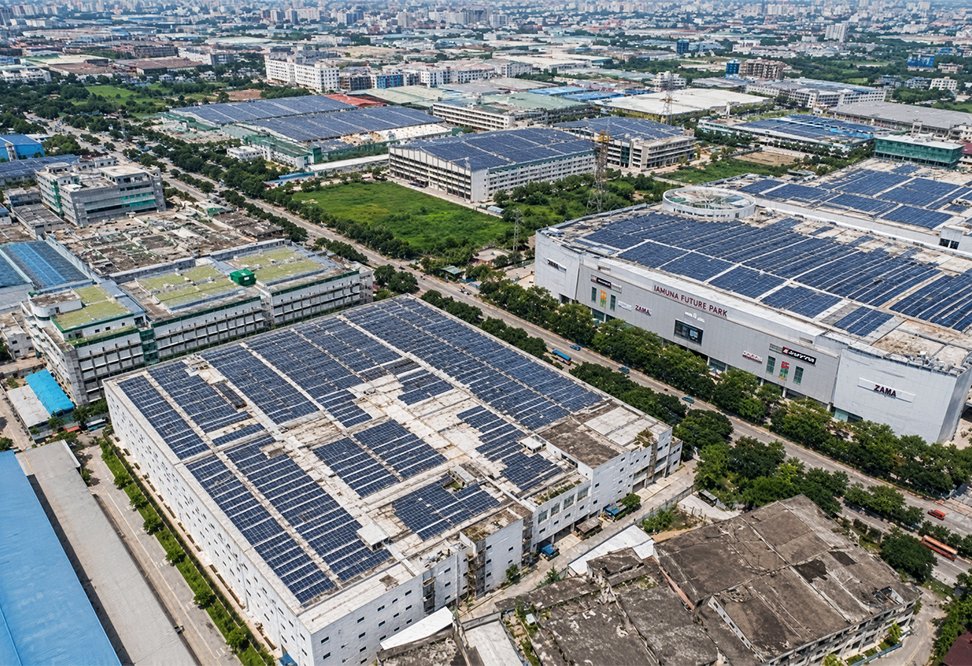
One manufacturer offers a glimpse of how factories may respond. 4A Yarn Dyeing, a supplier to Walmart, Gap and Next employing nearly 7,500 workers, has continued operating by diversifying its energy supply rather than relying solely on the grid. Around 40% of its electricity comes from rooftop solar, with most of the balance generated using its own gas and diesel systems.
Resilience comes at a cost
The strategy protects production continuity but not margins. Higher diesel prices have raised 4A’s production costs by an estimated 2–3%, adding as much as Tk5 million ($40,950) per month to its fuel bill. The company now plans an industrial-scale battery system capable of sustaining production for several hours during supply failures.
Cost pressure intensified after Bangladesh increased diesel prices by 17.4% to Tk135 per litre on September 21. Petrol, octane and kerosene prices also rose as the government responded to higher international fuel and freight costs.
Orders become the bigger risk
Energy shortages are already affecting delivery performance. Factories surveyed by the Bangladesh Knitwear Manufacturers and Exporters Association reported shipment delays, while some exporters have resorted to discounts or costly airfreight to meet buyer deadlines.
The implications extend beyond individual factories. Bangladesh’s ready-made garment industry generates more than 80% of national export earnings, employs about 4 million people and contributes roughly 10% of GDP.
For apparel manufacturers, the emerging lesson is that energy resilience is becoming part of supplier competitiveness. Rooftop solar, captive generation, storage, efficiency and diversified energy sourcing can reduce disruption risk, but require capital that smaller factories may struggle to finance. The key issue for buyers will be whether prolonged shortages begin shifting orders toward sourcing countries offering greater energy reliability.
