

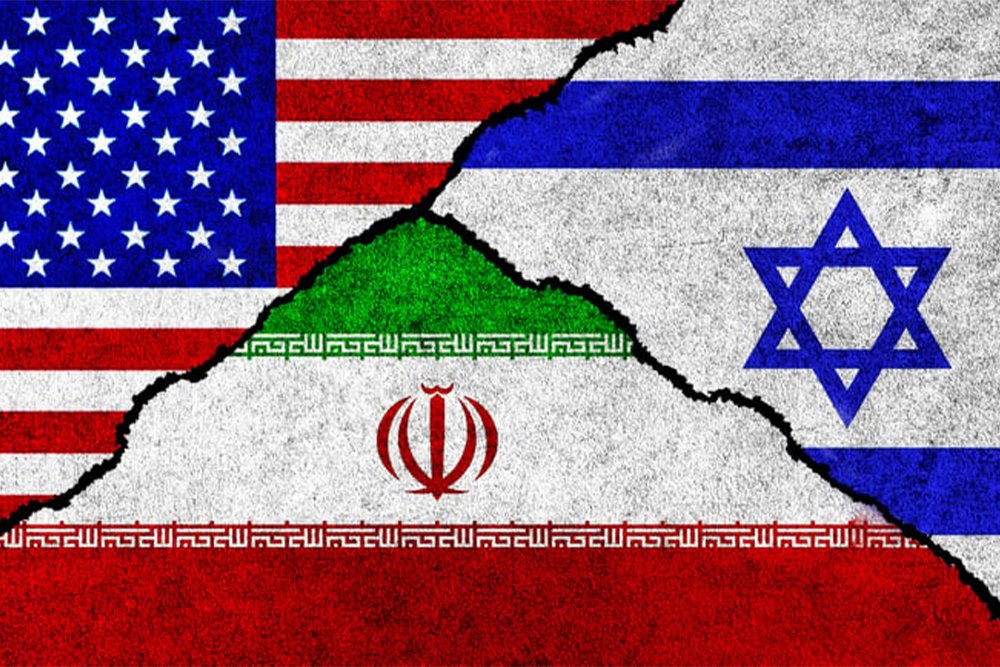
The Israel–USA–Iran war has rapidly become a logistics-and-energy shock for textiles and apparel. With tanker traffic in the Strait of Hormuz reportedly near a standstill and vessels stranded, the world’s most important energy chokepoint is now a live operational constraint—not just a geopolitical headline. Oil has already jumped on supply fears, and jet fuel premiums are spiking—raising the cost of everything from polymer feedstocks to expedited air freight. Meanwhile, container carriers are suspending or re-routing services amid higher war-risk insurance and uncertainty, compounding the “long-route” dynamics already familiar from the Red Sea/Suez disruptions. The net effect: higher input costs, longer and less reliable lead times, and tighter working capital—especially for time-sensitive fast fashion and promotional programs. The winners will be those who treat this as a resilience redesign moment: dual-route logistics, energy-risk hedging, supplier buffering, and smarter commercial terms.
What is actually breaking in the chain right now?
The Strait of Hormuz carries roughly ~20% of global oil and LNG shipments; disruption there propagates into global fuel and petrochemical pricing. Markets have already reacted: Reuters reports oil rising strongly on widening conflict and shipping disruption risk. Energy is embedded in almost every cost driver—polymer production, spinning power, thermal loads in dyeing/finishing, road/sea transport, and air freight. The Gulf is not only an energy corridor; it’s also a critical node for petrochemicals, packaging materials, and transshipment dynamics that influence Asia–Europe and Asia–MEA lanes.
Jet fuel prices and premiums have surged due to supply tightness and disruption concerns, raising the all-in cost of emergency uplift. when ocean schedules slip, brands fall back on air for launches, replenishment, and markdown avoidance—exactly when air becomes costlier.
How does this translate into textile-and-apparel business outcomes?
Synthetics (polyester, nylon, elastane) track petrochemical economics; energy shocks typically widen price volatility. Dyes/chemicals/auxiliaries are energy-intensive to manufacture and ship. Packaging (poly mailers, hangers, trims) is polymer-linked.
The cost stack becomes more volatile even if your factories are not in the conflict geography. Reuters and other reporting indicate major disruption risks and stranded vessels; if this persists, schedule integrity becomes the primary commercial risk.
Longer transit times and uncertainty increase: inventory in motion, safety-stock requirements, and financing costs (especially in supplier countries with higher interest rates). Re-routing (longer distances) and mode shifts (ocean → air) can meaningfully change: transport emissions, unit footprint variability, and product-level disclosures.
Where the shock concentrates: 6 choke points for textile supply chains
- Strait of Hormuz disruption → oil/LNG shock → fuel and polymer volatility.
- War-risk insurance → higher freight surcharges and carrier service suspensions.
- Air freight cost escalation → expensive rescue logistics.
- Port & transshipment congestion → schedule unreliability and container imbalance (knock-on effects in Asia/Europe hubs).
- Supplier cash-flow stress → delays, quality risk, and capacity reshuffling (factories prioritize customers with better terms).
- Demand volatility → forecast error increases, creating bullwhip effects upstream.
This war is not only a geopolitical crisis; it is a supply chain re-pricing event. The most exposed actors will be those optimized for “just-in-time” speed without contractual and financial shock absorbers. The most resilient will be those who: (1) engineer optionality in routes and modes, (2) rewrite commercial terms for volatility, and (3) run an integrated cost-time-carbon control tower.

