

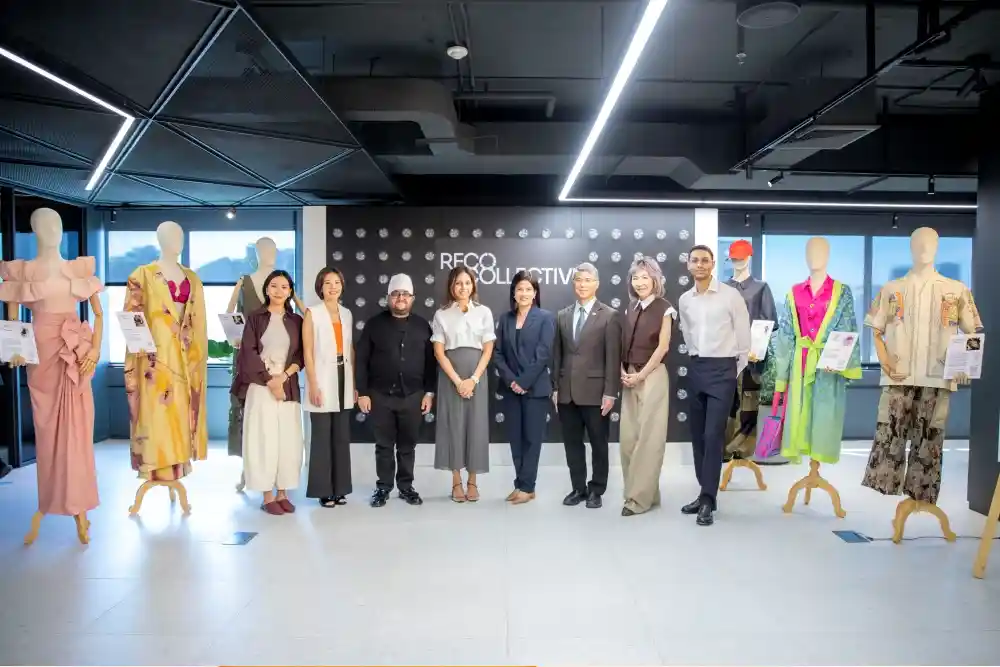
RECO Collective 2026 links recycled-polyester yarn, fabric development and fashion design, testing whether circular materials can compete on functionality and consumer appeal rather than sustainability credentials alone.
Indorama Ventures has launched the 2026 edition of its RECO Collective programme with three Thai fashion brands, seeking to turn recycled PET from post-consumer bottles into commercially relevant fashion and lifestyle products.
Now in its 12th year, the programme will work with CHANA, KH EDITIONS and APPEAL Summerwear under the theme “The Next Original.” Each brand will participate in the RECO Incubation Lab, moving through material selection, circular design, production trials and prototyping before developing finished products.
From bottle to fabric to product
The material chain starts with recycled polyester yarns produced by Indorama Ventures from post-consumer PET bottles.
Thai textile producer Bulliontex converts those yarns into rPET fabrics and is joining the programme as both material supplier and technical partner. Its role includes helping designers understand fabric properties and match recycled materials to different functional and aesthetic requirements.
The structure is significant because it connects four stages that are often separated in circular-fashion pilots: recycling, yarn production, textile development and consumer-product design.
Indorama Ventures argues that recycled material adoption will depend increasingly on whether products deliver the same qualities consumers expect from conventional fashion—including hand feel, function, durability and desirable design—not simply on an environmental narrative.
Commercialisation becomes the test
RECO Collective has evolved from an awareness initiative into a product-development platform aimed particularly at helping fashion SMEs gain practical experience with recycled materials.
For textile manufacturers, the programme illustrates an important shift. Recycled polyester suppliers increasingly need to provide not just fibre or yarn but a complete application ecosystem, including fabric engineering, design support and pathways to market.
There is, however, an important circularity distinction: the 2026 programme primarily converts PET bottles into textiles, rather than recycling textile waste back into new textile fibre.
The next measure of success will therefore be commercial rather than promotional: whether the three participating brands move prototypes into regular collections, whether consumers accept any price premium, and whether rPET fabrics achieve repeat orders at meaningful volumes. If they do, RECO Collective could offer a replicable model for turning recycled feedstock into sustained textile demand rather than one-off showcase products.
