

The Biden administration’s reluctance to sign a new trade deal with Kenya on lines of existing the African Growth and Opportunity Act (Agoa). Under Agoa Sub-Saharan African countries are permitted to export thousands of products to the US without tariffs or quotas until 2025. Exports under Agoa provide livelihood to 600,000 textile workers out of which 50,000 are direct employees, 100,000 indirect employees and over 450,000 dependents on sectors anchored on Agoa in Kenya.
Kenyan manufacturers have written a letter to the Biden administration over the ongoing trade talks, expressing apprehension that raised fears that the new proposed partnership is silent on trade in goods. The letter requested US authorities to continue the quota free concessions in the new trade pact. Manufactures fear that scrapping of benefits under Agoa would result in closure of Kenya’s textile industry which supplies global fashion brands.
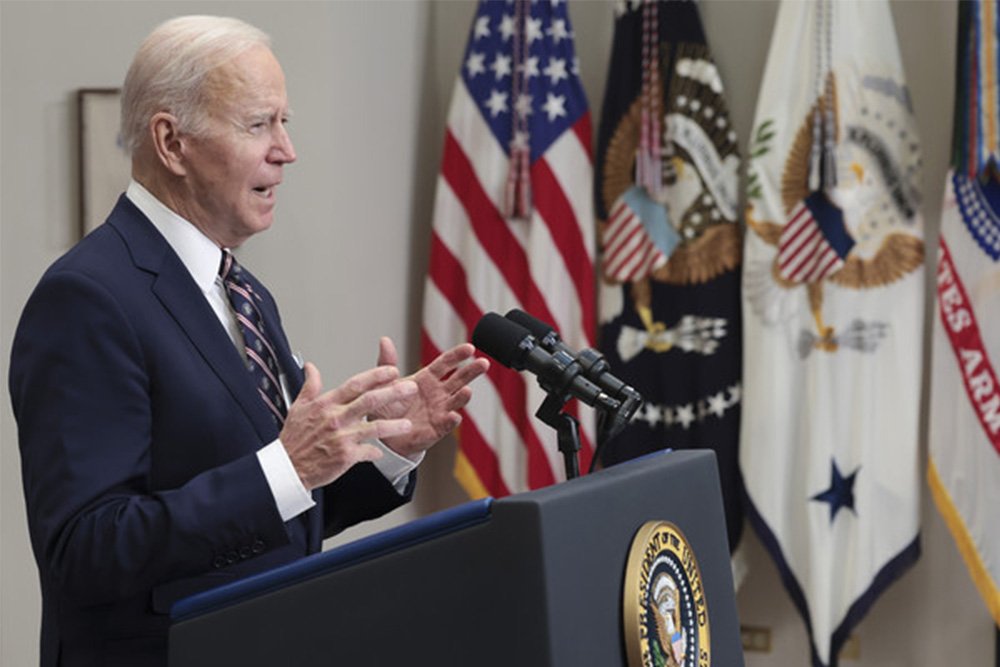
An official of the Biden administration at a press conference last month disclosed that President Biden is looking to move beyond the old model of free trade agreements and is more geared to today’s economic realities and to lessons of the last 30 years. The new US strategy is to protect American firms in the quest to shore up manufacturing and seek a larger share of the global trade currently in the hands of China and push new bilateral trade deals accordingly.
Export of duty-free goods to the US under the Agoa jumped 20 per cent to Sh50.6 billion last year from Sh42.2 billion a year earlier, according to data by the Kenya National Bureau of Statistics (KNBS). The Kenya-US trade talks are expected to restart this month under the new William Ruto administration. Though Agoa pact allows preferential access to the US for thousands of products Kenya has largely tapped the apparel and textiles line.

