

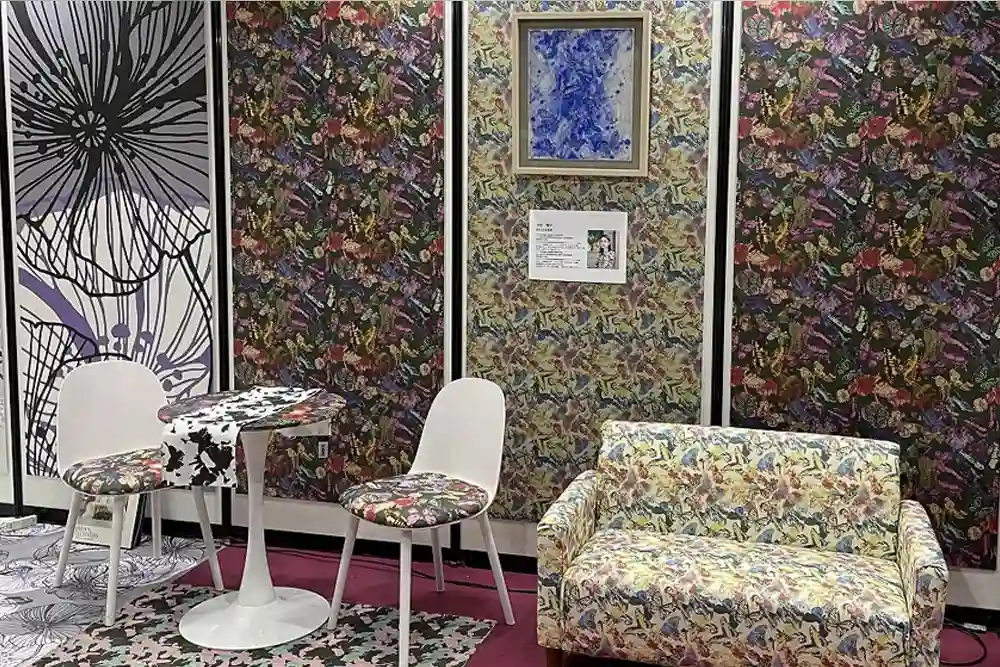
A single-ink, low-water system challenges the complexity of digital textile production.
Mimaki Europe will use Heimtextil 2026 to make a pointed argument: the next gains in textile printing will come less from speed and more from simplicity and material freedom. At the Frankfurt fair, the company is showcasing TRAPIS, its textile pigment transfer printing system designed to print across natural fibres, blends and synthetics using a single ink set.
That versatility marks a clear departure from conventional digital processes. Sublimation remains largely confined to polyester; reactive and acid printing demand fibre-specific chemistries, pre-treatment and washing. TRAPIS collapses these distinctions. Its two-step process—printing via a Mimaki TS330-1600 and fixing with a high-pressure calender—requires no pre-treatment, no washing and minimal infrastructure.
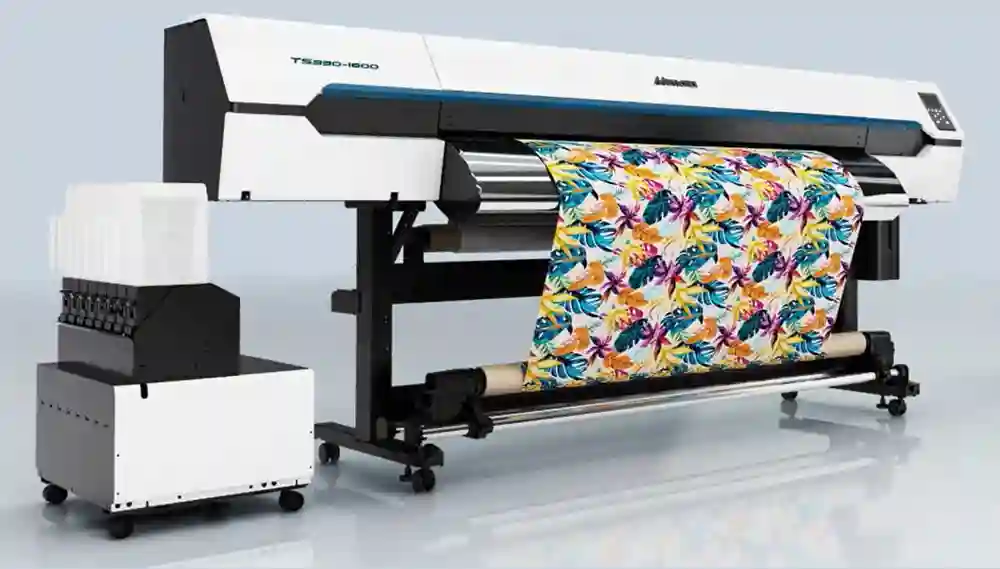
The economic logic is straightforward. By removing fibre restrictions and reducing workflow complexity, Mimaki is targeting manufacturers focused on short runs, on-demand production and localised manufacturing—segments growing faster than mass, standardised yardage. The system’s compact footprint further lowers the barrier for small studios and new entrants.
Sustainability is embedded, but not framed as the sole selling point. TRAPIS cuts water use by up to 90%, saving roughly 14.5 litres per square metre, and its pigment inks are ZDHC MRSL Level 3 compliant and bluesign® approved. Yet Mimaki’s emphasis is operational: fewer steps, fewer consumables, lower maintenance and faster changeovers.
In an industry facing rising water constraints, tighter chemical regulation and pressure to shorten supply chains, TRAPIS reflects a broader shift. Digital textile printing is no longer just about replacing analogue methods; it is about removing structural friction from production altogether. If pigment transfer can deliver consistent quality across fibres, the traditional logic of fibre-specific printing may start to look increasingly obsolete.

