

During September, specialists from Monforts will be attending events in two of the fastest-growing countries for textile manufacturing – Kenya and Uzbekistan – before once again looking forward to meeting customers old and new at the 2026 Igatex exhibition which is taking place in Lahore, Pakistan, from October 15-18.
Uzbekistan’s growth
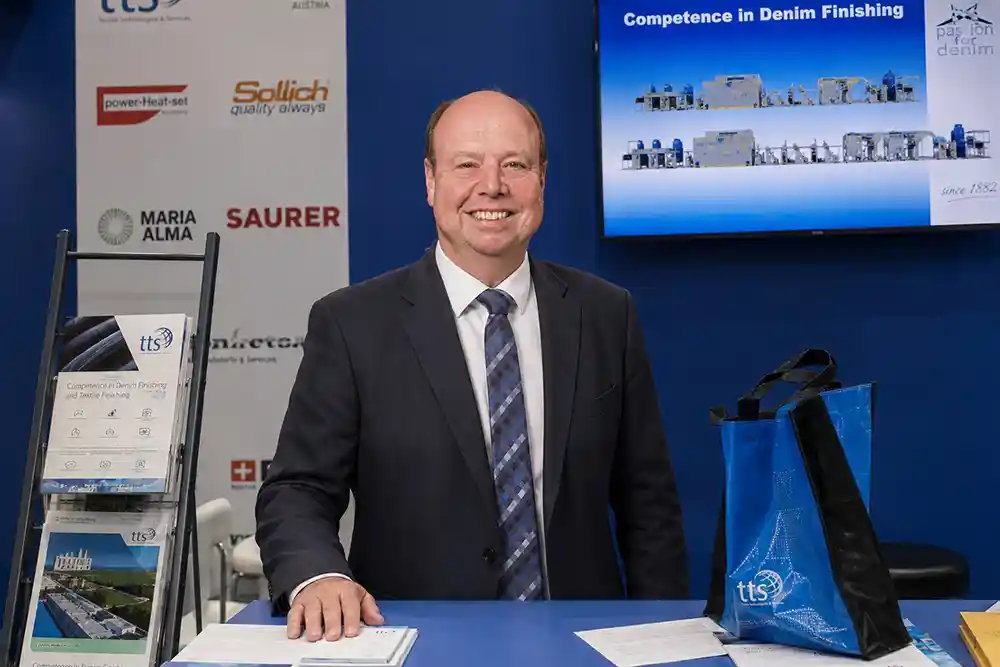
Monforts Area Sales Manager Thomas Päffgen will be present alongside the company’s local partner Textile Technologies & Services (TTS) at CAITME in Tashkent, Uzbekistan, from September 8-10, at stand B50-9.
“Monforts has been closely involved in Uzbekistan’s rapid move downstream from cotton and yarn production into higher-value fabric manufacturing,” he explains. “We have Montex and Thermex installations already in place at a number of the country’s major vertically integrated manufacturers and as Uzbekistan looks to establish itself as a significant textile and apparel hub between Europe and Asia, its companies are increasingly looking at value addition through finishing – which is the area we specialise in.”
Uzbekistan has transformed its textile industry from one centred largely on the production and export of raw cotton into an increasingly integrated manufacturing sector spanning spinning, weaving, knitting, dyeing and garment production.
The change accelerated after President Shavkat Mirziyoyev came to power ten years ago, with reforms aimed at reducing the state control of cotton production, encouraging private investment and retaining more of the value generated by the country’s substantial cotton crop. A network of vertically integrated textile clusters has subsequently emerged, linking cotton cultivation with ginning and downstream manufacturing.
Kenya’s promise
Area Sales Manager Manfred Havenith will meanwhile join the delegation of VDMA Textile Machinery Association members who will stage a symposium at the Emara Ole-Sereni Hotel on Nairobi, Kenya, on September 30th.
“Kenya’s textile and apparel industry is emerging as one of Africa’s most promising manufacturing sectors,” he says. “After a difficult period when cheap imports, falling cotton production and under-investment led to the closure of many mills, the industry has rebuilt itself around export-oriented garment manufacturing while also beginning to revive its domestic textile supply chain. Today, the challenge is to move beyond being primarily a cut-and-sew manufacturing base and develop a fully integrated industry stretching from cotton farming to finished garments and technical textiles.
One of Kenya’s greatest strengths, he adds, is its workforce.
“The country has a young and rapidly growing population, with garment manufacturing already employing more than 80,000 people in the formal sector, the majority of them women. The wider cotton value chain, including farming, ginning and informal activities, supports many thousands more livelihoods. Labour costs remain competitive by international standards, and Kenya has developed considerable experience in producing apparel for leading global brands.”
Pakistan’s growing influence
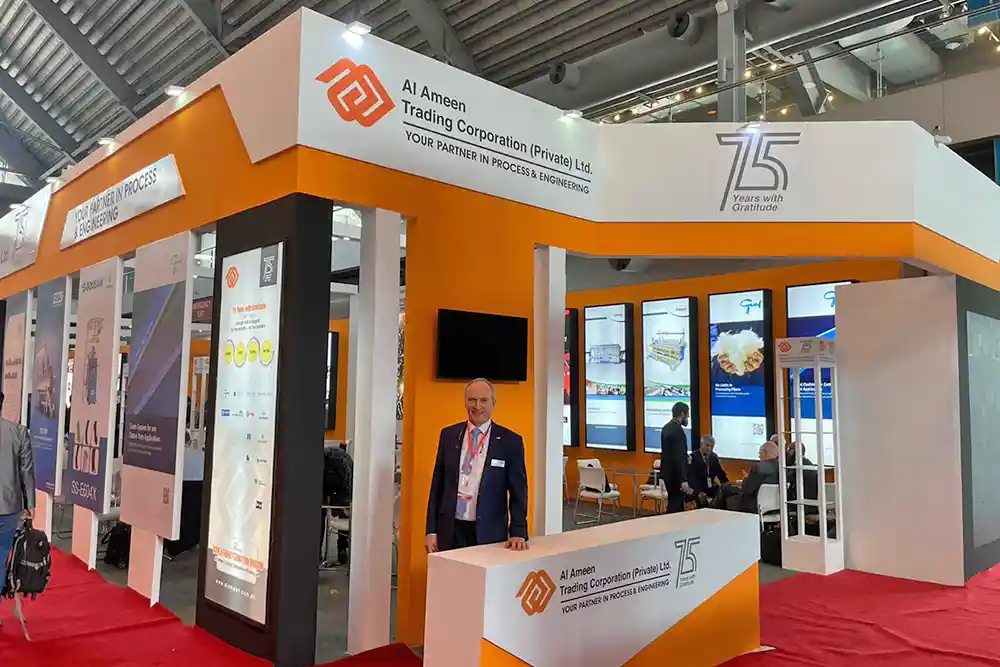
Monforts specialists will also be in attendance at the forthcoming Igatex textile machinery exhibition taking place at Pakistan’s Expo Lahore from October 15-18, alongside regional partner Al Ameen at stand F-2-09, in Hall 2. At lasy year’s Igatex, Al Ameen celebrated its 75th anniversary.
Monforts continues to gain significant repeat orders for its equipment from Pakistan’s major vertically-integrated textile manufacturers as they seek to both expand and diversify into new markets. Monforts customers in the regions around Pakistan’s three biggest cities of Karachi, Lahore and Faisalabad include all of the main players in the fields of home textiles and denim production.

“These companies rely on our established technologies including Montex stentering equipment, Monfortex sanforizing units and Thermex dyeing ranges,” says Manfred Havenith. “As they look to new markets in today’s highly competitive industry, we continue to assist them with trials and optimised processing parameters in developing advanced fabrics for a wide range of end-uses, both at their own plants and at our Advanced Technology Centre (ATC) in Germany. We are very much looking forward to fruitful discussions in Lahore about the many options for increasing productivity while making major sustainable gains through resource efficiency.”
