

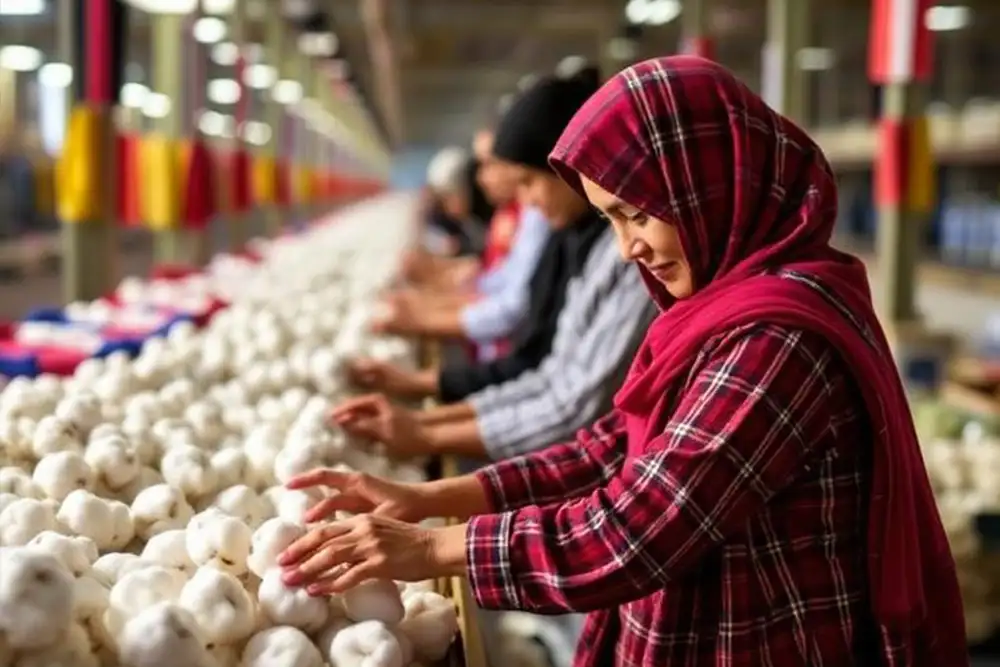
The case has shifted compliance from a social audit issue to a trade access risk for Pakistan’s cotton, textile, and apparel supply chain.
Pakistan is preparing its defence in Washington after the US Trade Representative opened Section 301 investigations into 60 economies, including Pakistan, over alleged failures to prohibit and enforce bans on imports made with forced labour. The hearings began on April 28, 2026, at the US International Trade Commission, with USTR examining whether national laws and enforcement systems are sufficient to prevent forced-labour goods from entering trade.
A tariff risk dressed as compliance
The investigation matters because Section 301 can lead to trade remedies, including additional duties or import restrictions, if USTR finds that a country’s acts, policies or practices are unreasonable, discriminatory, or burden US commerce. The Federal Register notice asks whether economies have established and effectively enforced forced-labour import prohibitions, and what duties or restrictions should be imposed if failures are found.
For Pakistan, the immediate concern is textile and apparel market access. The US remains one of Pakistan’s most important export destinations, and any forced-labour-related duty or restriction could weaken competitiveness against regional suppliers.
Islamabad’s response
According to the government discussions described, Pakistan plans to submit written statements from both public authorities and the textile sector. Officials also agreed to initiate a process to prohibit the importation of goods mined, produced or manufactured with forced labour through the Import Policy Order, using International Labour Organisation definitions as a reference point.
The response also highlights initiatives in cotton value chains, including Better Cotton, organic and regenerative cotton, and traceability systems. This is important because earlier concerns around forced labour on some Sindh cotton farms have appeared in international reporting and could remain a reputational vulnerability for Pakistan’s cotton-linked exports.
The supply-chain message
Pakistan’s strongest argument is likely to be that forced labour is not tolerated in formal textile manufacturing, while the country is aligning trade rules with emerging global standards. But that will need evidence: enforceable import prohibitions, farm-level traceability, credible labour monitoring and convergence between government and industry submissions.
The next test is whether Pakistan treats the USTR process as a one-off legal defence or as a trigger to upgrade cotton and textile compliance architecture. For exporters, the commercial lesson is clear: labour due diligence is becoming inseparable from tariff risk, buyer confidence and long-term access to premium markets.
