

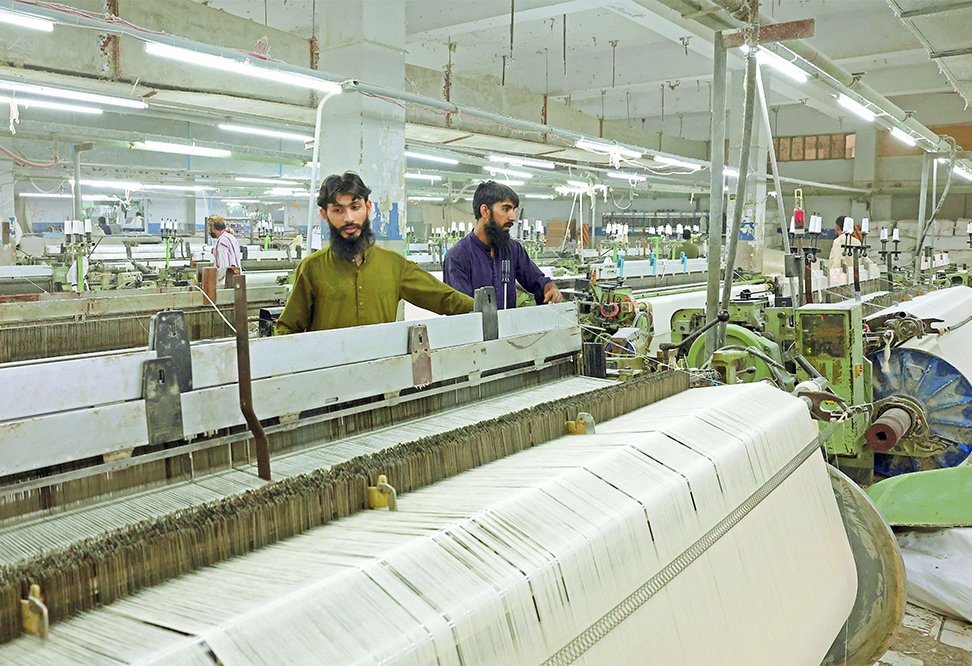
The additional duty threatens margins, while four competitors may gain future relief linked to purchases of US textile inputs.
Pakistan has intensified buyer outreach in the United States after a new 10% Section 301 tariff took effect on most Pakistani imports on July 24, 2026. Five exporters joined a national pavilion at Texworld New York City from July 29–31, presenting home textiles, apparel, leather garments, sportswear and gloves.
A tariff layered onto existing pressure
The US Trade Representative imposed the measure after concluding that Pakistan had not effectively enforced its prohibition on imports produced with forced labour. The duty applies to Pakistani products except specified exemptions and sits on top of normal product-line tariffs.
The action arrives after Pakistan’s textile exports increased only 0.26% to $17.93 billion in FY2025/26. Ready-made garment exports rose 3.87% to $4.29 billion, but manufacturers still face high energy, financing, tax and logistics costs.
Pakistan Today cited an estimated $564 million reduction in textile exports, with losses potentially exceeding $2 billion if US buyers shift orders. The report did not identify the analysts or publish their assumptions, so the figures remain scenarios rather than confirmed forecasts.
Rivals gain a potential preference
Pakistan shares the 10% rate with Bangladesh, Cambodia, India, Indonesia and Malaysia. However, USTR has directed tariff-rate quotas for Bangladesh, Cambodia, Indonesia and Malaysia. Once implemented, specified textile and apparel volumes could enter free of the Section 301 duty, based on each country’s imports of US cotton and textile goods. Pakistan is excluded, and the quotas are not yet operational.
Market access needs more than promotion
The pavilion, organised by the Trade Development Authority of Pakistan and the New York consulate’s trade wing, provides buyer access but cannot offset a structural price disadvantage.
Pakistan’s priorities are negotiations for equivalent relief, stronger enforcement and documentation of forced-labour import controls, and a sourcing proposition built around speed, traceability, compliance and lower conversion costs. The next signal will be whether Washington expands its textile mechanism—or US buyers begin reallocating orders when new-season contracts are priced.
