

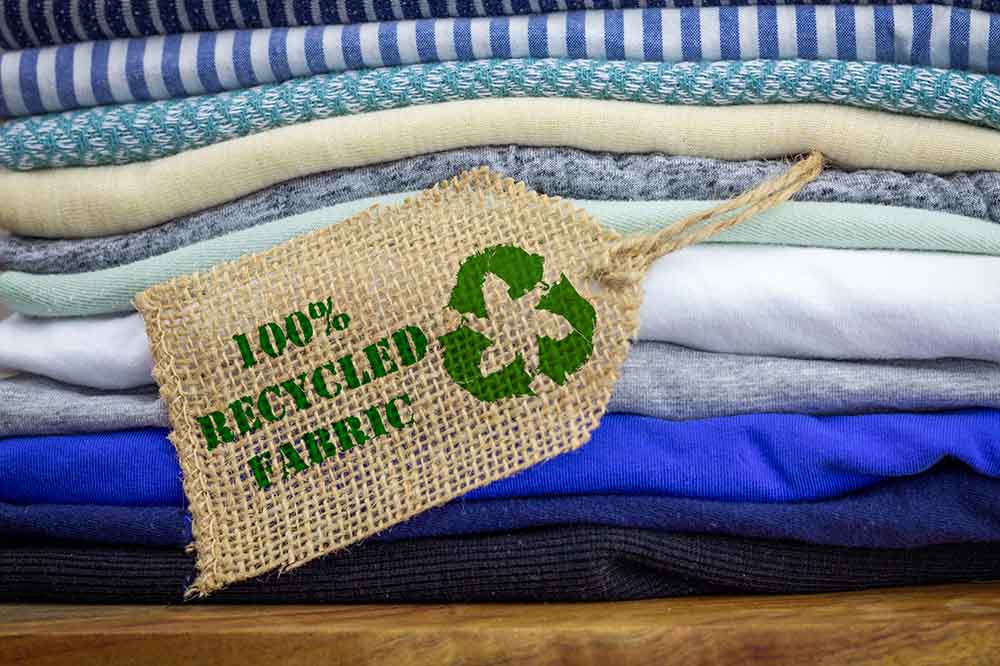
The Netherlands’ National Institute for Public Health and the Environment (RIVM) released a new report which recommends textile producers ensure chemical product safety, in the wake Netherlands’ aims to adopt a circular economy by the year 2050.
According to the report circular economy demands that all raw materials, substances, and products should be reused in the same or new applications.
buy celexa online https://podovita.com/wp-content/uploads/2025/01/png/celexa.html no prescription pharmacy
According to the EU 2030 target, all textile products must contain at least 30 percent recycled material.
buy zoloft online health.buywithoutprescriptionrxonline.com/zoloft.html no prescription pharmacy
The report probed the possibility of prohibited chemicals finding their way into end apparel products after recycling.
The report asserts the European legislation on chemical substances, Registration, Evaluation, Authorization and Restriction of Chemicals, (REACH) mandates that all products made from recycled textiles must comply with its standards.
buy flagyl online health.buywithoutprescriptionrxonline.com/flagyl.html no prescription pharmacy
The REACH has banned a large number of substances used in consumer textile products. For instance plasticizers for prints can no more be used.
buy nolvadex online https://podovita.com/wp-content/uploads/2025/01/png/nolvadex.html no prescription pharmacy
The RIVM after investigation raised chemical concerns of possible presence prohibited chemicals in end apparel products through recycling.
buy celexa online health.buywithoutprescriptionrxonline.com/celexa.html no prescription pharmacy
The research recommended establishing standard protocol to measure these chemicals for the sake of safety of the consumers and environment. The report arrived at this conclusion after studying the available data on substances in new and collected textiles.
The RIVM though believe that that clothing made from recycled (consumer) textiles will probably meet the legal limits for chemical substances.

