

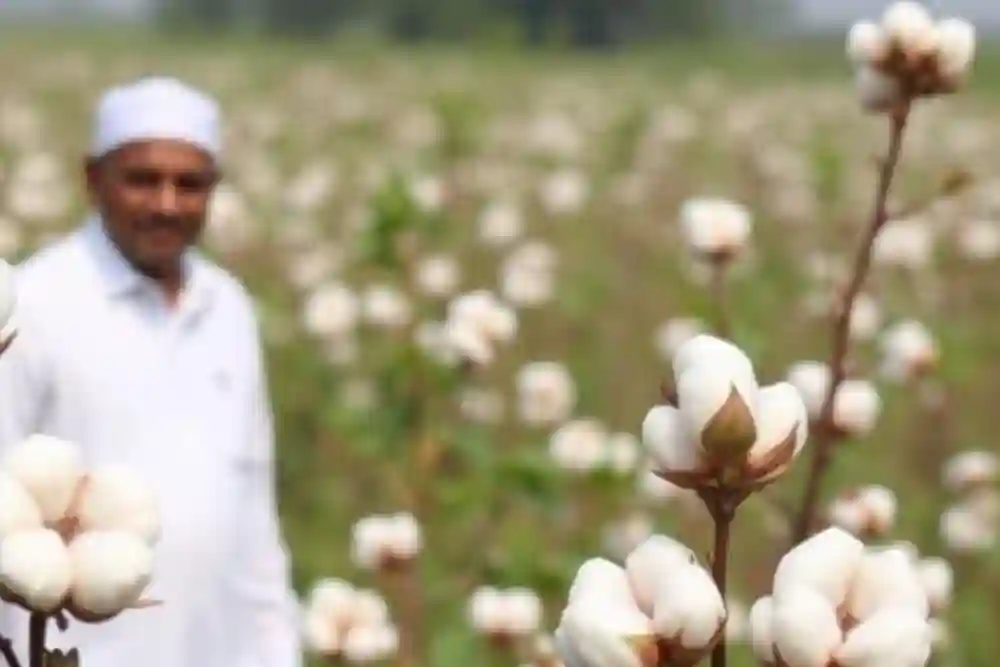
Senior leadership from the All Pakistan Textile Mills Association (APTMA) and the Government of Punjab held a high-level meeting in Lahore, marking a significant policy alignment on the urgent revival of Pakistan’s cotton sector.
Key Engagement
The delegation, led by Sayed Ashiq Hussain Kirmani, Minister for Agriculture, Punjab, and Iftikhar Ali Sahoo, visited the APTMA office, where they were received by Kamran Arshad, Asad Shafi, and senior APTMA leadership.
Industry Alarm: Cotton at Risk
Chairman APTMA Kamran Arshad warned that Pakistan’s domestic cotton production is in structural decline, posing a serious threat to the textile value chain. He cautioned that without immediate corrective action, cotton cultivation could disappear from Pakistan, further increasing reliance on imported raw material and undermining export competitiveness.
APTMA emphasized that high energy costs and shrinking cotton availability are simultaneously squeezing the sector, despite textiles remaining Pakistan’s largest export engine.
APTMA Cotton Revival Roadmap
APTMA presented its comprehensive Cotton Revival Roadmap, developed in collaboration with stakeholders including:
- Green Pakistan Initiative
- Pakistan Cotton Ginners Association
- Pakistan Kisan Ittehad
A central pillar of the plan is the establishment of a Pakistan Cotton Board, envisioned as a national R&D and coordination authority to control seed development, agronomy, and productivity improvements.
Government Endorsement
- The Punjab Agriculture Minister reaffirmed full provincial support for the textile sector and cotton revival, stressing that cotton remains Punjab’s primary cash crop.
- He highlighted recent policy actions, including restrictions on early rice cultivation, which enabled earlier cotton sowing and yielded positive outcomes.
- Punjab is actively engaging with the United States and China on climate-resilient cotton seed research, acknowledging climate stress as a key production risk.
Policy Momentum
APTMA’s Cotton Advisor Muhammad Javed confirmed that the Cabinet Committee on Cotton Revival, chaired by the Deputy Prime Minister, has already issued directions to implement APTMA’s proposed plan—signaling federal-level traction.
Secretary of Agriculture Punjab Iftikhar Ali Sahoo added that Punjab’s Cotton Strategy 2026 has been finalized ahead of time and strongly endorsed the creation of a central national cotton body as the only sustainable long-term solution.
Why This Matters
- Cotton revival is now framed as a national economic and strategic priority, not just an agricultural issue.
- A centralized Pakistan Cotton Board would align Pakistan with global cotton-producing best practices, restoring yield, quality, and farmer confidence.
- Successful implementation could reduce import dependence, stabilize raw material supply, and unlock significant export growth for Pakistan’s textile industry.
The meeting marks a clear shift from diagnosis to policy convergence, with industry and government moving toward a coordinated national cotton revival agenda.

