

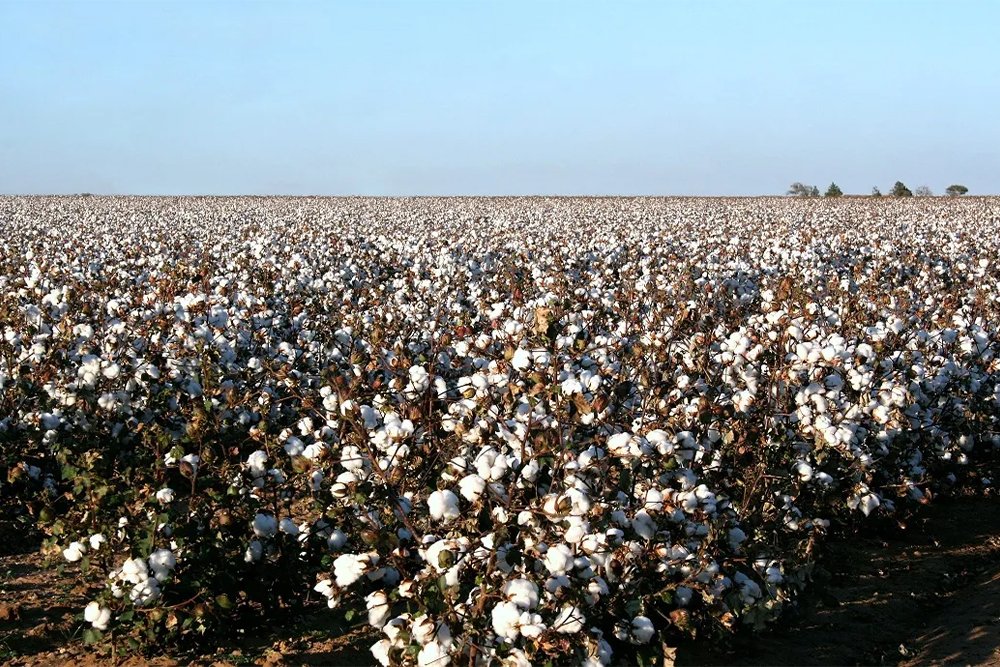
Tajikistan is charting an ambitious course to drastically expand its textile sector by boosting the local processing of cotton.
Currently, only about 30 % of the country’s cotton is processed domestically, the rest is sold as raw fiber. In 2024, textile and cotton‑fiber exports reached approximately $300 million. The government now targets elevating this figure to a striking $3 billion by 2040, primarily by processing the entire domestic cotton crop internally.
At the inaugural International Textile Forum in Dushanbe (July 8–10), Industry Minister Sherali Kabir reaffirmed the plan’s feasibility, pointing to growing interest from equipment manufacturers and foreign investors. A strategic roadmap launched in 2023 intends to modernize eight to six full-cycle cotton-processing complexes and develop closed-loop production chains . Success hinges on drawing both international capital and EU-backed green investments.
In June, Tajikistan secured a €19.9 million EU grant to support sustainable cotton farming, digital supply-chain tools, and compliance upgrades.
This national textile strategy (2024–2040) envisions creating over 600,000 jobs while stabilizing cotton fiber exports—which collapsed to lower-than-planned levels in H1 2024—to yield higher-value outputs like yarn and finished goods . Despite threats such as slow harvests, water stress, and occasional reliance on forced labor, Tajikistan aims to position itself as a competitive, technology-driven textile hub .
If all goes according to plan, the nation could establish itself as a fully integrated player from cotton field to garment rack, setting a transformative precedent in Central Asia’s textile landscape.

